The Heart-Brain Connection: How Stress and Emotional Wellbeing May Influence Heart Health
0%
Is the Heart More Than Just a Physical Pump?
The heart is one of the hardest working organs in the body, roughly the size of our fist and beats around 100,00 times each day. Its main function is to continuously pump around 8 pints of blood around the body via our vast network of blood vessels. It delivers nutrients and vital oxygen to the whole body whilst carrying away carbon dioxide and waste products (www.bhf.org.uk).
Looking after our heart health through a nourishing diet, good hydration, regular movement, and restorative sleep provides a good foundation for a healthy cardiovascular system. These lifestyle habits help support healthy blood pressure and cholesterol levels while also influencing a range of interconnected processes, including inflammation, oxidative stress, mitochondrial function and insulin sensitivity. When these processes become imbalanced, they can increase the risk of cardiovascular disease and impair heart function.
However, our lifestyle extends beyond diet and exercise alone. A growing body of research shows that our emotional wellbeing also play an important role in cardiovascular health. In particular, chronic, prolonged stress can have profound effects on the cardiovascular system.
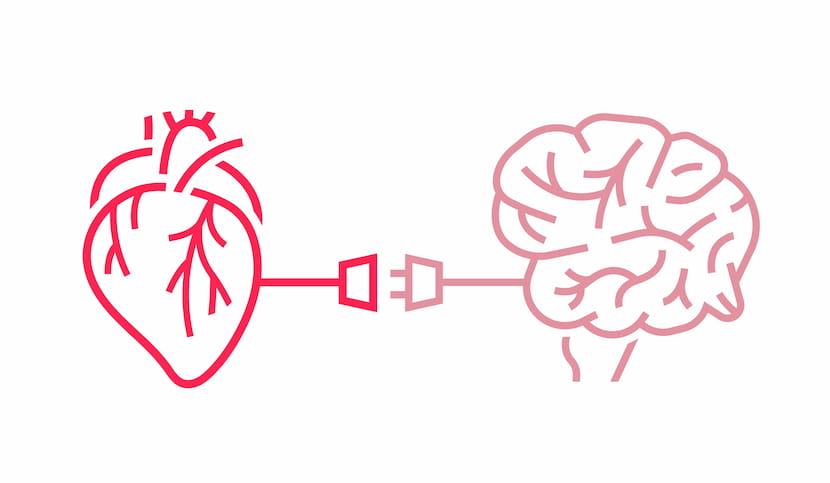
Most of us have experienced our heart racing before an important meeting, missing a beat when being startled. These experiences highlight something that scientists have increasingly recognised: the heart and brain are in constant communication.
The Heart-Brain Connection, The Science of Neurocardiology
The growing field of neurocardiology explores the fascinating and complex relationship between the brain and the heart.
For many years the heart was viewed simply as a mechanical pump. However, researchers now recognise that it is part of an intricate communication network that is constantly interacting with the brain and nervous system.
In 1991, scientists discovered the heart has its own intrinsic nervous system which has been referred to as the hearts ‘little brain’. This network contains more than 40,000 neurons, or nerve cells, like those found in the brain. This discovery transformed our understanding of the heart and highlighted that it can process information and send signals throughout the body.
The heart and brain communicate continuously through neurological, biochemical and biophysical pathways. One of the most important communication routes is the vagus nerve, the longest cranial nerve in the body, which acts as a major communication highway between the heart and the brain. It has been found that more information travels from the heart to brain than from the brain to the heart.
This constant dialogue helps regulate heart rate, blood pressure, emotional processing, resilience and our response to stress. What affects our mind can affect our heart, but as this is a two-way communication network what affects our heart can affect our mind, emotions and wellbeing.
For centuries, people have spoken about feeling ‘heartbroken’ after bereavement, emotional trauma or major life challenges. Interestingly, science is beginning to show that this expression may be more than a literal figure of speech.
Researchers studying neurocardiology have identified a condition known as Takotsubo cardiomyopathy, often referred to as broken heart syndrome. This temporary condition be triggered by intense emotional stress, grief or shock and can mimic the symptoms of a heart attack despite there being no blockage in the coronary arteries. Whilst relatively uncommon, it serves as a powerful reminder that emotional and cardiovascular health are deeply interconnected.
Stress and The Heart
In our fast-paced world, stress may be one of the most overlooked factors affecting heart health.
When we perceive a threat, whether physical or emotional, the body activates its fight or flight response via the hypothalamic-pituitary-adrenal (HPA) axis, one of the body’s primary stress-response system.
Through this pathway, signals are sent between the brain and adrenal glands, resulting in the release of stress hormones such as cortisol and adrenaline.
These hormones are designed to help us respond quickly to challenges by increasing heart rate, redirecting blood flow, tightening blood vessels to help us to be more reactive.
This response is useful in the short time, helping us react quickly to danger or navigate difficult situations. However, the body was never designed to remain in this heightened state indefinitely.
During times of prolonged stress, muscles will tighten, blood vessels that are chronically constricted reduce circulation that may contribute to an increased risk of cardiovascular strain, metabolic changes, sleep disruption, inflammation and more.
Stress can also influence many of our good habits that help support heart health. During stressful periods we may be more likely to reach for comfort foods, rely on caffeine, increase our alcohol intake or neglect exercise and sleep, creating a cycle that further challenges both emotional and physical wellbeing.
Alternatively, positive emotions such as gratitude, optimism, purpose, laughter and strong social relationships have all been associated with better cardiovascular wellbeing as this can lead to healthier eating and increased motivation. Looking after our emotional health is just as important as our physical health.
Supporting the Stress Response Naturally
While we cannot remove all sources of stress from our lives, we can support the body’s ability to adapt and recover more efficiently.
Because the heart and brain are so closely connected, supporting the nervous system affects our cardiovascular system. Alongside stress management, prioritising sleep and staying physically active, there are some key nutrients that play an important role in support our nervous system.
Magnesium: Nature’s Relaxation Mineral
Magnesium is one of the most important minerals for both heart and nervous system health. It contributes to normal muscle function, including the heart muscle itself, supports healthy blood vessel relaxation, helps maintain normal heart rhythm and assists with blood pressure regulation.
In addition to its role in cardiovascular health, magnesium also helps to regulate the activity of GABA (gaba-aminobutyric acid), one of the brain’s primary calming neurotransmitters. GABA helps quieten an overactive nervous system, promoting relaxation and helping us switch from a stressed state into a calmer more restorative one.
Want to learn more about the different forms of magnesium and how they support wellbeing? Read our guide to magnesium and nervous system function.
Saffron and Emotional Wellbeing
Saffron (Crocus sativus L) has been valued for centuries as both a culinary spice and medicinal herb. Saffron is now being studied for its potential effects on emotional wellbeing.
Research suggests that saffron may help support a positive mood, help balance emotions and build resilience during stressful periods. Its active compounds are believed to influence key neurotransmitters involved in emotional regulation, including serotonin, dopamine and GABA pathways.
Stabilium® Supporting Resilience During Times of Stress
Stabilium® has also shown to help support the body’s response to stress, derived from Garum Armoricum, an ancient marine extract used by the Celts of Brittany more than 2,000 years ago. It is produced from Molva dyptergia, a deep-water fish naturally adapted to thriving in challenging conditions.
Stabilium’s active components including amino acids, helps to support a healthy nervous system function and may help to reduce the stress response which can improve emotional wellbeing. In turn this may result in improved mood, sleep, energy, memory and resilience during periods of stress.
Don’t Forget the B Vitamins
Stress can increase the body’s demand for B vitamins and may also increase urinary losses, creating a vicious cycle that can contribute to HPA axis dysregulation. These water-soluble nutrients play important roles in energy production, nervous system function and the body’s ability to cope with physical and emotional stress.
Vitamin B6 (pyridoxine), is involved in the production of neurotransmitters such as serotonin, dopamine and GABA, which help regulate mood and support a balanced stress response. Research also suggests that adequate B6 status may help moderate HPA axis activity and support resilience during periods of stress.
Vitamin B5 (pantothenic acid) known as the’ anti-stress vitamin’ plays a central role in helping the body adapt to physical and emotional stress. Pantothenic acid is required to produce coenzyme A (CoA), a molecule involved in converting carbohydrates, fats and proteins into usable cellular energy. It also supports healthy mitochondrial function and the energy-dependent production of adrenal hormones, including cortisol. Rather than directly stimulating the adrenal glands, pantothenic acid (B5) helps provide the metabolic support needed for an appropriate stress response, resilience and recovery during periods of increased demand.
A heart-healthy diet naturally provides many of these important nutrients. The Mediterranean diet is often regarded as one of the most cardioprotective ways of eating as it emphasises vegetables, fruits, legumes, nuts, seeds, olive oil, oily fish and small amounts of red meat. Alongside beneficial fats, fibre and antioxidants, these foods provide B vitamins and other nutrients that support cellular energy production, nervous system function and a healthy stress response, whilst helping to protect cardiovascular health.
A Whole-Hearted Approach
As our understanding of heart health evolves, we are beginning to appreciate that supporting the heart involves more than nutrition, exercise and traditional cardiovascular risk factors. The emerging field of neurocardiology reminds us that caring for our emotional wellbeing may be one of the most valuable investments we can make in our long-term cardiovascular health.
Heart & Stress Focus
Looking after your heart starts with looking after your stress levels.
Explore evidence-informed nutritional solutions including magnesium, saffron, B vitamins and targeted stress-support formulas.
Common Lifestyle and Stress-Related Factors Linked to Cardiovascular Wellbeing
- Ongoing psychological stress
- Poor sleep habits
- Physical inactivity
- Nutrient-poor dietary patterns
- Low magnesium intake
- Inadequate B vitamin status
- Excess alcohol consumption
- High caffeine intake
- Chronic inflammation
- Reduced resilience to stress
Key Takeaways
- The heart and brain are constantly communicating through a complex network known as the heart-brain connection.
- Chronic stress may influence cardiovascular health by affecting heart rate, blood pressure, sleep, inflammation and lifestyle habits.
- Supporting emotional wellbeing is an important part of a whole-person approach to heart health.
- Key nutrients including magnesium, B vitamins, saffron and Stabilium® may help support nervous system function and resilience during periods of stress.
- Healthy habits such as a Mediterranean-style diet, regular movement, quality sleep and stress management can help support long-term cardiovascular wellbeing.
FAQs
References
Alshami AM. Pain: Is It All in the Brain or the Heart? Curr Pain Headache Rep. 2019 Nov 14;23(12):88.
Papadis A, Svab S, Brugger N, Lanz J, von Arx R, Stamou K, Sakellaropoulos S. "Broken Heart" and "Broken Brain": Which Connection? Cardiol Res. 2022 Feb;13(1):65-70.
Satyjeet F, Naz S, Kumar V, Aung NH, Bansari K, Irfan S, Rizwan A. Psychological Stress as a Risk Factor for Cardiovascular Disease: A Case-Control Study. Cureus. 2020 Oct 1;12(10):e10757.
Pickering G, Mazur A, Trousselard M, Bienkowski P, Yaltsewa N, Amessou M, Noah L, Pouteau E. Magnesium Status and Stress: The Vicious Circle Concept Revisited. Nutrients. 2020 Nov 28;12(12):3672.
Zhang Y, Chen C, Lu L, Knutson KL, Carnethon MR, Fly AD, Luo J, Haas DM, Shikany JM, Kahe K. Association of magnesium intake with sleep duration and sleep quality: findings from the CARDIA study. Sleep. 2022 Apr 11;45(4):zsab276.
Chauhan S, Tiwari A, Verma A, Padhan PK, Verma S, Gupta PC. Exploring the Potential of Saffron as a Therapeutic Agent in Depression Treatment: A Comparative Review. Yale J Biol Med. 2024 Sep 30;97(3):365-381.
Awashra, A., AbuBaha, M., Istetieh, K. et al. B vitamins and cardiovascular health: mechanisms, clinical evidence, and precision prevention strategies. Nutr Metab (Lond) 23, 72 (2026).


Karen Devine, CNHC Registered Nutritionist and Naturopath, is a Colonic Hydrotherapist and Functional Medicine practitioner (AFMCP). Since 2007, she has provided technical support for Nutri-Link Ltd, advising practitioners and patients on nutritional products. Trained at The Plaskett College, Karen has run her own clinic since 1999 and continues to consult privately. She regularly attends postgraduate seminars to stay current in functional medicine. Karen has appeared on The Spa of Embarrassing Illnesses...
Related Posts


Related Products