Supporting Lung Health Naturally: The Gut-Lung Connection and Winter Respiratory Resilience
0%
Breath is the first gift we receive as we enter this world. From the very first inhale to our last, our lungs work quietly in the background of every moment of our lives. A healthy adult takes around 20,000 breaths each day, yet most barely notice.
We tend to think of the lungs as simply taking air in and air out. But their role reaches much further. They touch energy, immunity, elimination, resilience and even how we meet the world around us.
Perhaps it’s time we gave them a little more attention.


Breath: Where Life Begins
Every breath delivers oxygen, one of the most essential substances for life. Once inhaled, oxygen passes through the lungs into the bloodstream and is delivered to every cell in the body.
Deep inside those cells, tiny structures called mitochondria use oxygen to convert the food we eat into ATP, the body’s energy currency, through a process known as cellular respiration.
This energy powers –
- Every heartbeat,
- Every thought
- Every movement
- Every immune response
- Every repair process
- Every hormonal signal and more.
Without oxygen there is no energy, yet oxygen is only half the story.
Mitochondria do far more than make fuel. They also help the body sense and respond to stress, regulate inflammatory activity, support repair and adapt to changing demands. When this inner energy system struggles, it may contribute to respiratory vulnerability, reminding us that lung health and cellular vitality are closely connected.
With every exhalation, the lungs release carbon dioxide, one of the body’s major metabolic waste products. In that sense, they are not only organs of respiration but organs of elimination too.
Every breath is an exchange, taking in what nourishes us and releasing what we no longer need.
The Lungs Never Work Alone
The lungs do not operate in isolation. Modern research is catching up with what many traditional systems, including naturopathy and Traditional Chinese Medicine (TCM), have long recognised: the lungs are woven into the wider web of the body.
Scientists now speak of biological “axes”, including the gut-lung axis and brain-lung axis. These describe continuous two-way conversations between the lungs and other systems throughout the body.
In Traditional Chinese Medicine (TCM), the lungs were described as the Master of Qi, helping to distribute energy and offer protective capacity throughout the body. They were also paired with the large intestine as an interior-exterior couple. Changes in one were thought to influence the other, which is why bowel health, digestion and elimination were often considered alongside respiratory concerns.
TCM also viewed the lungs and large intestine as a paired system in emotional health. The lungs were associated with grief and sadness, while the large intestine was linked to release and letting go. From this perspective, when grief remains unresolved, it may be reflected in difficulties with letting go, both emotionally and physically. While this is a traditional concept rather than a modern scientific one, it serves as a reminder of the interconnected relationship between our emotions, breathing and digestive function.
The Gut-Lung Axis
That older observation now has a modern name.
The gut-lung axis describes a bidirectional network linking the digestive tract, microbiome, immune system and respiratory system.
Both the gut and the lungs sit at the boundary between us and the outside world. They continually sample microbes, particles, environmental exposures and immune challenges.
Signals originating in the gut can influence inflammation and immune activity within the lungs, while respiratory illness can, in turn, influence the balance of the gut microbiome, digestion and wider immune function.
What happens in the gut does not necessarily stay in the gut.
The composition of the microbiome, the integrity of the intestinal barrier and the compounds produced by beneficial bacteria may all influence how the immune system responds within the respiratory tract.
In many ways, new research is simply providing a biological language for an ancient intuition: when we care for the gut, we also care for our lungs.
Brain-Lung Axis
Breathing feels automatic, yet the lungs remain under the steady influence of the nervous system.
Signals travel between the brain and lungs, helping to regulate breathing patterns, airway tone, mucus production, inflammation and immune activity.
This may help explain why respiratory symptoms such as asthma often worsen during periods of prolonged stress, poor sleep, anxiety, grief or emotional turmoil.
The lungs are not simply responding to what we breathe in, they are also responding to the signals from within.
Through these stress response pathways, the wider balance of recovery and resilience also matters. The nervous system helps coordinate the hypothalamic-pituitary-adrenal axis, influencing hormones such as cortisol and DHEA, which play important roles in immune regulation, inflammatory balance and adaptation to stress.
Healthy breathing therefore depends on more than clear airways. It also depends on how effectively the whole system adapts, recovers and restores balance.
When respiratory challenges coincide with prolonged stress, depleted resilience or disrupted sleep, broader support may be needed.
Phytocort®, containing Reishi, sophora flavescens, Chinese Liquorice and Noni, reflects this interconnected approach by supporting respiratory health alongside immune balance, adrenal function, and the body’s natural ability to adapt and recover. It is a reminder that healthy breathing depends not only on the condition of the airways, but also the resilience of the wider systems that support them.
The lungs are not only attuned to internal signals, but they also stand at the boundary between us and the outside world, continuously sensing and responding to the environment around us.
Always at the Doorway to the World
Every day the lungs encounter far more than oxygen alone. With every breath they may be exposed to –
- Pollen
- Dust
- Mould spores
- Pollution
- Vehicle emissions
- Cleaning chemicals
- Synthetic and natural fragrances
- Airborne microbes
- Smoke and other particles
Fortunately, the lungs come well equipped.
One of the most important and elegant protective mechanisms is the mucociliary escalator, a remarkable system made up of mucus and microscopic hair-like structures called cilia.
Mucus is not the enemy. Healthy mucus forms a front-line defence barrier, trapping inhaled particles, allergens, microbes and pollutants before they can penetrate deeper into the respiratory tract.
The cilia then beat in a coordinated rhythm, sweeping mucus upwards so it can be swallowed or expelled. Together, mucus and cilia form one of the lungs’ primary innate defence and clearance systems.
Cilia also appear to do more than simply move mucus. They help the airways sense and respond to potential threats, forming part of an active, responsive defence rather than a passive tube waiting to become irritated or infected.
When Mucus Becomes a Messenger
Mucus itself is not the problem. Difficulty tends to arise when it becomes excessive, thick, sticky or hard to clear.
You may notice –
- Frequent throat clearing
- Persistent post-nasal drip
- Ongoing sinus congestion
- A lingering productive cough
- A sensation of mucus sitting on the chest
- Seasonal respiratory congestion that returns each year
Rather than asking how to suppress the mucus, it can be more useful to ask why the body is producing it.
Potential contributing factors may include –
- Allergens
- Mould exposure
- Pollution
- A recent respiratory infection
- Household or occupational irritant
- Poor air quality
- Ongoing inflammation and more.
When mucus becomes excessive of difficult to shift, supporting the lung’s natural clearance mechanisms, as well as the nasal passages where appropriate, may feel more supportive than simply suppressing it or silencing the signals.
Thick, sticky mucus can leave the chest feeling heavy, disturb sleep and make the airways feel less free. It may also make the lungs’ natural clearance system less efficient, potentially leaving unwanted material within the respiratory tract for longer.
Gentle support for healthy mucus consistency and movement can therefore have a place alongside investigating the underlying drivers, whether they relate to allergens, irritants, food sensitivities or other contributing factors.
Natural compounds are often used with this in mind. Bromelain, a proteolytic enzyme derived from pineapple, may help support the breakdown and movement of stubborn mucus secretions.
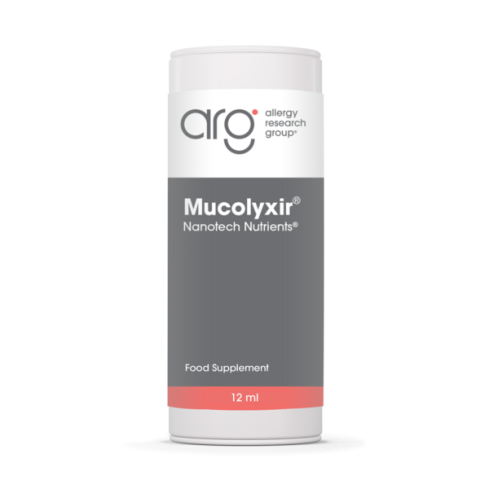
Mucolyxir® was developed around the principle of supporting healthy mucus flow and normal clearance. It contains a small amount of DNA derived from wild Pacific salmon developed to support healthy mucus viscosity, respiratory capacity and normal ciliary function.
These approaches are not simply about suppressing the body. They are intended to work alongside its own protective and clearing processes while the underlying causes are considered.
For some people, excess mucus is simply the tail end of a cold or virus as the body clears the residual mucus and immune debris. For others, it may point towards continuing exposure to allergens, pollutants, moulds or other imbalance that requires closer investigation.
If mucus is one of the body’s ways of communicating, the colder months often encourage us to listen more closely. Healthy breathing depends on far more than clear airways alone. It is an opportunity to support the wider systems that help maintain respiratory resilience.


Winter: A Season to Nourish the Lungs
As the air cools, we spend more time indoors. Ventilation decreases, seasonal viruses circulate, sunlight fades and cold, dry air places additional demands on the airways and immune system.
Traditional Chinese Medicine recognised the influence of seasonal change on health. Autumn is associated with the lungs, while the transition into winter is viewed as a time to conserve energy, protect vitality and strengthen our defensive Qi.
Cold can be viewed as an external challenge, particularly for those who are already tired, stressed or recovering from illness.
Rather than waiting for the first lingering cough, autumn and winter offer an opportunity to build respiratory resilience.
Nourish the Lungs
Through the gut-lung and brain-lung connections, we can see that healthy lungs do not function in isolation. Microbiome balance, appropriate immune responses, efficient energy production, a regulated nervous system, healthy bowel habits and effective elimination pathways all contribute to respiratory health.
Enjoying a colourful plant rich diet is a simple daily habit we can do to help support our health.
Nutrients and plant compounds that may contribute to respiratory resilience include –
- Vitamins A, C, D and E
- Zinc, selenium and magnesium
- Carotenoids
- Flavonoids
- Omega-3 fatty acids
- Curcumin
- Resveratrol and more
Many of these nutrients contribute to the body’s antioxidant and inflammatory-regulating pathways, helping respiratory tissues respond to everyday environmental and metabolic challenges.
Helpful foods to include throughout the winter months may include –
- Homemade broths and soups
- Onions, garlic and leeks
- Ginger and warming spices
- Mushrooms
- Colourful vegetables
- Apples and berries
- Pears, traditionally valued in Chinese medicine for moistening the lung tissue
- Oily fish, nuts and seeds for healthier fats
- Good-quality protein to support tissue repair and immune function
- Fibre-rich plant foods to nourish the microbiome and support regular elimination
Quercetin and the Lungs’ Antioxidant Defences
Quercetin is a flavonoid found naturally in onions, apples, berries and many brightly coloured plant foods.
It has attracted interest due to its antioxidant and anti-inflammatory properties and its potential influence on the Nrf2/Keap1/HO-1 pathway. Nrf2 is sometimes described as a master switch for cellular protection because it helps activate the body’s own antioxidant defence enzymes.
Research suggests that flavonoid-rich plant foods including quercetin, may help support the lungs’ natural ability to respond to everyday oxidative and inflammatory challenges.
Resveratrol and Respiratory Resilience
Resveratrol, found naturally in grapes, berries and other plants, has been researched for its wide-ranging effects on respiratory health. It suggests that it may support healthy lung function through antioxidant, anti-inflammatory, tissue protective and cellular resilience pathways. Its ability to influence multiple mechanisms involved in respiratory wellbeing highlights the importance of dietary polyphenols as part of a broader approach to supporting lung health.
Together, compounds such as quercetin and resveratrol provide another reminder that food is far more than fuel. A colourful, plant-rich diet supplies a diverse range of bioactive compounds that help support the body’s own protective systems, including those that help maintain healthy respiratory function.
Strengthening the foundations
The basics still matter most –
- Reduce excess refined sugar, ultra process foods and alcohol
- Avoid smoking, vaping and unnecessary exposure to airborne irritants
- Consider the air inside the home, particularly when windows remain closed
- Reduce synthetic air fresheners, heavy fragrances, scented candles and harsh cleaning products where possible
- Choose whole foods, colourful plants, healthy fats and adequate protein
- Stay hydrated
- Support digestion and regular bowel movements
- Protect sleep
- Support nervous system balance
- Keep moving
- Spend time outdoors
As the saying goes, there is no bad weather, only unsuitable clothing. Wrap up, breathe in fresh air when you can and soak in the daylight as much as possible.
A robust, responsive immune system is one of the lungs’ most important allies during the winter months. Alongside the foundations above, targeted nutritional support such as Bio-immunozyme Forte™ may be considered as part of a wider approach to seasonal immune and respiratory resilience.
A Closing Breath
The lungs fuel our energy, remove metabolic waste, guard the boundary between us and the outside world and remain in quiet dialogue with the gut, immune system, brain and nervous system.
Perhaps one of the greatest lessons the lungs teach us is the art of receiving and releasing. With every breath, they take in what nourishes life and let go of what is no longer needed. In many ways, this happens not only on a physical level, but on an emotional one too.
This winter, let us give these remarkable organs the care they deserve. Through nourishing food, restorative sleep, movement, fresh air, healthy connection and mindful breathing, we can support the resilience of the lungs, and of the systems that work along side them.
Want to Learn More About Respiratory Health?
Explore the practitioner webinar "Respiratory Immunity: Asthma, Lung Health, and the Impact of COVID-19" with Antony Haynes and discover the latest evidence on respiratory immunity, lung health, nutrition, the gut-respiratory connection and targeted nutritional strategies for supporting respiratory resilience.
Watch the Respiratory Immunity Webinar
Common Factors That May Influence Lung Health
- Seasonal allergens, including pollen and mould spores
- Poor indoor and outdoor air quality
- Environmental pollutants and vehicle emissions
- Household cleaning products and synthetic fragrances
- Previous respiratory infections and lingering mucus congestion
- Chronic stress and poor stress resilience
- Inadequate sleep and disrupted recovery
- Imbalances within the gut microbiome
- Nutrient insufficiencies affecting immune and respiratory function
- Smoking, vaping and exposure to airborne irritants
- Reduced physical activity and time spent outdoors
- Low dietary intake of antioxidant-rich fruits and vegetables
- Ongoing inflammatory burden and oxidative stress
- Poor ventilation in homes and workplaces during winter
- Dehydration, which may affect healthy mucus clearance
Key Takeaways
- Healthy lungs rely on more than breathing alone, with the gut-lung axis, immune system and nervous system all playing important roles in respiratory health and resilience.
- The gut microbiome may influence lung health, supporting immune function and helping the body respond appropriately to everyday respiratory challenges.
- Environmental factors such as pollution, allergens, mould and poor air quality can impact respiratory wellbeing, highlighting the importance of supporting the lungs' natural defence and clearance mechanisms.
- A nutrient-rich diet helps support respiratory resilience, with compounds such as quercetin, resveratrol, omega-3 fatty acids, vitamins and minerals contributing to healthy immune and antioxidant function.
- Simple lifestyle habits can help maintain lung health throughout winter, including prioritising sleep, managing stress, staying active, supporting gut health and spending time outdoors in fresh air.
Support Healthy Lungs and Respiratory Function
Your lungs work hard every day to support energy, immunity and overall wellbeing. Discover our practitioner-quality range of nutrients and botanical formulas designed to support healthy respiratory function, mucus clearance and seasonal resilience.
FAQ: Supporting Lung Health and Respiratory Resilience
References
Chen Q, Gong J, Fan H, Tao G, Lin C, Cheng X, Zhu H. Advances in Traditional Chinese Medicine interventions for influenza A based on the gut-lung axis: modern evidence for the exterior-interior relationship between the lung and large intestine. Front Med (Lausanne).
Enaud R, Prevel R, Ciarlo E, Beaufils F, Wieërs G, Guery B, Delhaes L. The Gut-Lung Axis in Health and Respiratory Diseases: A Place for Inter-Organ and Inter-Kingdom Crosstalks. Front Cell Infect Microbiol. 2020 Feb 19;10:9.
Hayashi Y, Matsushima M, Nakamura T, Shibasaki M, Hashimoto N, Imaizumi K, Shimokata K, Hasegawa Y, Kawabe T. Quercetin protects against pulmonary oxidant stress via heme oxygenase-1 induction in lung epithelial cells. Biochem Biophys Res Commun. 2012 Jan 6;417(1):169-74.
Li C, Chen W, Lin F, Li W, Wang P, Liao G, Zhang L. Functional Two-Way Crosstalk Between Brain and Lung: The Brain-Lung Axis. Cell Mol Neurobiol. 2023 Apr;43(3):991-1003.
Locci C, Chicconi E, Antonucci R. Current Uses of Bromelain in Children: A Narrative Review. Children (Basel). 2024 Mar 21;11(3):377.
Zhai T, Li S, Hu W, Li D, Leng S. Potential Micronutrients and Phytochemicals against the Pathogenesis of Chronic Obstructive Pulmonary Disease and Lung Cancer. Nutrients. 2018 Jun 25;10(7):813.
Zhang L, Xu LY, Tang F, Liu D, Zhao XL, Zhang JN, Xia J, Wu JJ, Yang Y, Peng C, Ao H. New perspectives on the therapeutic potential of quercetin in non-communicable diseases: Targeting Nrf2 to counteract oxidative stress and inflammation. J Pharm Anal. 2024 Jun;14(6):100930.
Zhu XD, Lei XP, Dong WB. Resveratrol as a potential therapeutic drug for respiratory system diseases. Drug Des Devel Ther. 2017 Dec 15;11:3591-3598.


Karen Devine, CNHC Registered Nutritionist and Naturopath, is a Colonic Hydrotherapist and Functional Medicine practitioner (AFMCP). Since 2007, she has provided technical support for Nutri-Link Ltd, advising practitioners and patients on nutritional products. Trained at The Plaskett College, Karen has run her own clinic since 1999 and continues to consult privately. She regularly attends postgraduate seminars to stay current in functional medicine. Karen has appeared on The Spa of Embarrassing Illnesses...
Related Posts


Related Products