Need Help? 0333 577 0404

Brain Health

Cod liver oil vs fish oil
Essential Fatty Acids Brain Health Cardiovascular Health

Cod liver oil vs fish oil

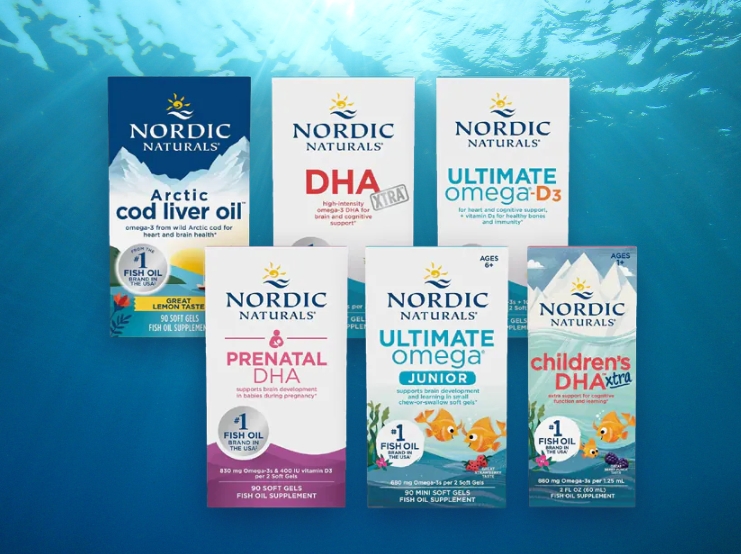
The global fish oil market is booming with a projected growth from USD 10.4 billion in 2025 to USD 24.6 billion by 2035 with a compound annual growth rate (CAGR) of 9%. This growth is driven by rising consumer awareness of omega-3 its health benefits. * However, when it comes to fish oils, choosing the best quality fish oil supplements should be non-negotiable due to the risk of contaminants and/or oxidised (rancid) oils that can create inflammation and damage cellular structures.  Nordic Naturals...
Read more
Microplastic Bioaccumulation in the Human Brain: An Emerging Health Concern
Essential Fatty Acids Brain Health Lifestyle Medicine

Microplastic Bioaccumulation in the Human Brain: An Emerging Health Concern

As healthcare professionals, we are continuously evaluating the impact of environmental exposures on human health. A groundbreaking study published in Nature Medicine has brought new attention to the bioaccumulation of microplastics in human brain tissue.[1] While previous research has confirmed the presence of microplastics in organs such as the liver, kidneys, and placenta, this latest study provides compelling evidence of their substantial accumulation in the brain, raising serious concerns about...
Read more
Exploring the Connection Between Visceral Fat and Alzheimer’s Disease: A Comprehensive Review
Brain Health Antioxidants Nervous System

Exploring the Connection Between Visceral Fat and Alzheimer’s Disease: A Comprehensive Review

Alzheimer’s disease (AD) is a growing global health issue, exacerbated by aging populations and a lack of definitive treatments.[1] Recent studies, including those by Dolatshahi et al. (2024), have highlighted a potential link between visceral fat and AD. This emerging association suggests that addressing modifiable metabolic risk factors could play a critical role in mitigating Alzheimer’s risk. Accumulation of visceral fat in midlife, particularly in the 40s and 50s, may indicate underlying brain...
Read more
Lifestyle and Nutrient Modulators of Neuroplasticity, Brain Health and Energy
Mental Health Brain Health Lifestyle Medicine

Lifestyle and Nutrient Modulators of Neuroplasticity, Brain Health and Energy

Age Related Cognitive Decline The projected demographic shift towards a global elderly population reaching 2.1 billion by the year 2050 implies a significant escalation in the incidence of age-related disorders, which carry profound personal, social, and economic implications. This is further exacerbated by evidence linking nonpathological aging to functional deterioration in critical neural substrates underpinning cognitive faculties. Empirical research has consistently demonstrated that aging...
Read more
A rationale for policy change, nudging and commercial regulation of ultra-processed foods
Brain Health Cardiovascular Health Lifestyle Medicine

A rationale for policy change, nudging and commercial regulation of ultra-processed foods

  Ultra-processed foods encompass a wide range of items, spanning from carbonated beverages to breakfast cereals and from pre-packaged snacks to cured meats. These products are notorious for their extensive use of additives, which are often detrimental to health. Among these additives are oils, fats, sugars, starches, and sodium, which not only diminish the nutritional value of the food but also pose potential health risks[1]. Additionally, emulsifiers such as carrageenan, mono- and diglycerides...
Read more
Neuroscience, Brain Health and Nutrients
Brain Health Lifestyle Medicine

Neuroscience, Brain Health and Nutrients

Most people recognise that a decline in mental cognition is something that they want to avoid. Whilst healthy living, sleep, stress, exercise and other lifestyle actions are core to the health of brain function or cognitive aging, there is a steadily growing evidence profile that multivitamins (MVM) can confer a benefit, at low cost and high safety profile. A research paper published in the American Journal of Clinical Nutrition on the 18th Jan 24 indicates that daily MVM significantly benefits both...
Read more
Is it possible that the worst disease our society faces is poor lifestyle?
Metabolism Brain Health Vitamins

Is it possible that the worst disease our society faces is poor lifestyle?

Let’s explore the most ubiquitous of lifestyle-related problems – obesity and metabolic dysfunction - and their relationship to the pervasive and increasingly common neurodegenerative disease, Alzheimer’s Disease (AD).[1] The most recent research to emphasise the link between morbidity, metabolic disruption and brain matter changes further qualified the intrinsic connection between blood sugar abnormalities and the sensitivity of certain neuronal tissues to neurodegeneration.[2] Metabolic dysfunction...
Read more
Exercise Motivation Likely To Be Linked to Gut Health
Immune Health Digestive Health Brain Health

Exercise Motivation Likely To Be Linked to Gut Health

Whilst we all understand as each year passes there are ever more intricate links between the organisms that exist in our gut and our health – have you ever thought that a eubiotic gut (A healthy and balanced state marked by high diversity and abundance of microbial populations in the GI tract) may be one of the reasons some people find exercise motivation easier than those with a dysbiotic digestive tract. Examining the variations between those mice that like to exercise and those that do not, it...
Read more
Vitamin C and some of its remarkable benefits
Immune Health Brain Health Vitamin C

Vitamin C and some of its remarkable benefits

Vitamin C (or L-ascorbic acid, hereafter referred to as VitC) is a nutrient with a six-carbon structure, synthesised from glucose, abundant in fruits, vegetables and the kidney and liver of most animals. VitC is a potent water-soluble antioxidant that is produced in most mammals but is not endogenously synthesised in humans, who lack enzymes for its synthesis.[1] Hence we need to consume it to avoid deficiency-related diseases. Many animals can synthesise their own vitamin C. The researchers Axel...
Read more
What the Bs can do
Immune Health Brain Health Vitamins

What the Bs can do

B Vitamins make headlines from time to time, some positive and others less so. This is a short review of the key role they play in brain and immune health. Anxiety management A July 22 paper in the Journal of Human Psychopharmacology: Clinical and Experimental[1]. Identified a mechanism with beneficial outcomes in the use of B6 for the reduction in anxiety, after analysing almost 500 young people over 5 years with self-reported anxiety and depression. Such an influence can be explained because, in...
Read more
Posts loader
To Top