Cognitive longevity - a systems approach to healthy brain ageing
0%
As longevity increases, cognitive healthspan has become a defining clinical challenge. While neurodegenerative conditions remain multifactorial and complex, converging evidence suggests that cognitive decline is not an inevitable consequence of ageing, but rather the cumulative outcome of modifiable metabolic, inflammatory, vascular and lifestyle inputs.
A systems-based approach, integrating nutrition, sleep biology, movement, stress physiology and targeted nutraceutical support, provides a powerful clinical framework.
An integrative, nutrition‑led framework to support memory, metabolism and neuroprotection
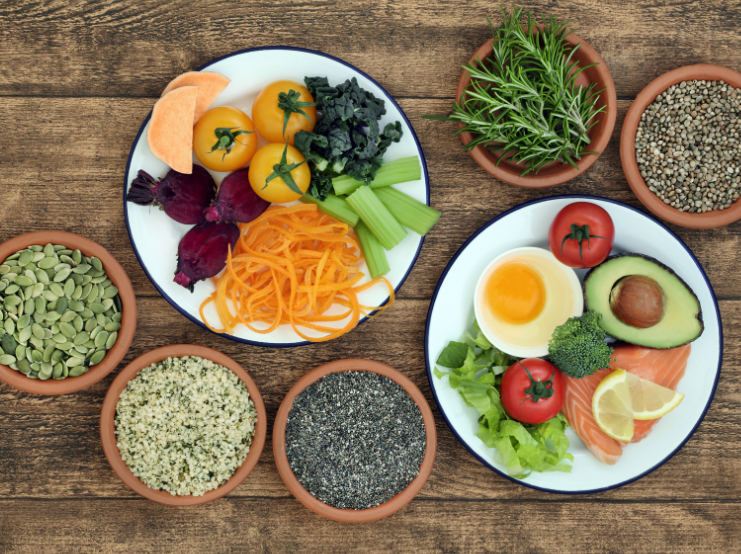
Among whole-diet approaches, the Traditional Mediterranean Diet (TMD) remains one of the most robustly studied dietary patterns associated with healthy ageing and reduced cognitive decline.
Beyond macronutrient composition, this dietary pattern offers:
- High phytonutrient density
- Favourable omega-3:omega-6 balance
- High monounsaturated fat intake (EVOO-derived polyphenols)
- Significant fibre-mediated microbiome support
- Low ultra-processed food exposure
Adherence is associated with reduced cardiometabolic risk and improved vascular integrity — critical given the strong relationship between cerebral hypoperfusion and dementia risk (de la Torre, 2024)¹.
From an integrative perspective, this pattern:
- Reduces dietary inflammatory load (Phillips et al., 2019)²
- Supports endothelial nitric oxide production
- Improves insulin sensitivity
- Favourably modulates the gut–brain axis
Emerging longevity research continues to reinforce dietary quality as a determinant of neurological ageing trajectories³.
Inflammageing, oxidative stress and neurodegeneration
Chronic low-grade inflammation is increasingly recognised as a mechanistic driver of neurodegenerative disease. Contributors include:
- Dysglycaemia and insulin resistance
- Visceral adiposity
- Gut barrier dysfunction
- Environmental toxic load
- Sleep deprivation
- Chronic psychological stress
The Mediterranean pattern delivers synergistic anti-inflammatory and antioxidant compounds including:
- Polyphenols (resveratrol, oleuropein, flavonoids)
- Carotenoids
- Tocopherols
- Omega-3 fatty acids
- Fibre-derived short-chain fatty acid support
These influence NF-κB signalling, oxidative stress pathways, endothelial function and microglial activation, central processes in neuroinflammation.
Clinically, assessing hs-CRP, fasting insulin, HbA1c, triglyceride: HDL ratio and homocysteine may provide useful metabolic insight when addressing cognitive risk proactively.
Sleep architecture and the glymphatic system
The discovery of the glymphatic system has reshaped our understanding of sleep’s role in neuroprotection.
During slow-wave sleep, cerebrospinal fluid influx facilitates clearance of amyloid-β and metabolic waste (Benveniste et al., 2019)⁴. Chronic sleep fragmentation impairs this clearance and may accelerate amyloid accumulation.
Integrative clinical considerations include:
- Circadian rhythm regulation
- Light hygiene
- Cortisol rhythm assessment (if indicated)
- Magnesium status
- Glycaemic stability overnight
- Screening for sleep apnoea
Sleep optimisation should be considered foundational in cognitive longevity protocols.
Neuroplasticity and BDNF: The adaptable brain
Neuroplasticity persists into later life, particularly within the hippocampus. Brain-derived neurotrophic factor (BDNF) plays a central role in synaptic plasticity, neuronal survival and memory consolidation.
BDNF expression is influenced by:
- Exercise
- Polyphenol intake
- Omega-3 fatty acids
- Caloric balance
- Stress load
- Sleep quality
Importantly, exercise interventions have been shown to upregulate BDNF even in neurodegenerative populations (Romero Garavito et al., 2025)⁵.
Targeted nutritional and nutraceutical considerations
While food-first principles remain central, targeted supplementation may be appropriate based on clinical presentation and testing.
Key nutritional compounds for neuroprotection
Omega-3 Fatty Acids (EPA/DHA)
- Membrane fluidity
- Anti-inflammatory eicosanoid modulation
- BDNF support
- Consider RBC omega-3 index where available
Magnesium (especially glycinate, threonate)
- NMDA receptor regulation
- Sleep support
- HPA axis modulation
- Commonly suboptimal in chronic stress states
Zinc
- Synaptic signalling
- Immune modulation
- Often depleted in chronic inflammation
Polyphenol-rich extracts
- Curcumin (bioavailable forms)
- Green tea catechins
- Cocoa flavanols
- Resveratrol
Medicinal mushrooms (emerging evidence)
- Hericium erinaceus (Lion’s Mane) for NGF stimulation
- Reishi for stress modulation
- Clinical evidence remains evolving; quality and standardisation are critical
Where appropriate, consider homocysteine-lowering strategies (B12, B6, folate in active forms) given associations between elevated homocysteine and cognitive decline.
Exercise as a neuroendocrine intervention
Exercise is not simply cardiovascular conditioning, it is a neuroendocrine stimulus.
Benefits include:
- Increased BDNF
- Enhanced insulin sensitivity
- Improved cerebral perfusion
- Reduced systemic inflammation
- Mitochondrial biogenesis
Both aerobic and resistance modalities are beneficial. Even moderate, consistent movement produces measurable cognitive benefit⁵.
For older patients, strength training is particularly important in preserving metabolic health and reducing frailty-associated inflammatory burden.
Stress, cortisol and cognitive resilience
Chronic stress contributes to:
- Hippocampal volume reduction
- Elevated inflammatory cytokines
- Sleep disturbance
- Reduced BDNF expression
Interventions may include:
- Breathwork and vagal tone stimulation
- Mindfulness-based strategies
- Time in nature
- Social engagement
- Adaptogenic support where appropriate
Supporting HPA axis resilience is integral to preserving cognitive function.
A systems-based model of healthy brain ageing
Cognitive longevity is not driven by a single nutrient or intervention. It reflects cumulative input across:
- Diet quality
- Metabolic health
- Sleep architecture
- Movement
- Stress physiology
- Social and cognitive engagement
The Mediterranean dietary pattern provides a clinically validated nutritional framework aligned with these mechanisms. However, individualisation remains key, particularly in patients with metabolic syndrome, autoimmune drivers, toxin exposure or significant psychosocial stress.
For integrative practitioners, the emphasis should be:
- Identify inflammatory and metabolic drivers early
- Optimise foundational lifestyle inputs
- Use targeted nutraceuticals where appropriate
- Encourage lifelong cognitive stimulation
- Monitor biomarkers to guide personalised intervention
Healthy brain ageing is not passive, it is biologically responsive to sustained, strategic input.
Read more articles on Brain Health.
References
- de la Torre JC. Cardiovascular risk factors promote brain hypoperfusion leading to cognitive decline and dementia. 2024. Available at: https://www.sciencedirect.com/science/article/abs/pii/S1568163724003878
- Phillips CM, Chen LW, Heude B, et al. Dietary Inflammatory Index and Non-Communicable Disease Risk: A Narrative Review. Nutrients. 2019;11(8):1873.
- Springer article on diet and ageing (2024). Available at: https://link.springer.com/article/10.1007/s11357-024-01488-3
- Benveniste H, Liu X, Koundal S, et al. The Glymphatic System and Waste Clearance with Brain Aging: A Review. Gerontology. 2019;65(2):106–119.
- Romero Garavito A, Díaz Martínez V, Juárez Cortés E, et al. Impact of physical exercise on the regulation of brain-derived neurotrophic factor in people with neurodegenerative diseases. Front Neurol. 2025;15:1505879.


Karen Devine, CNHC Registered Nutritionist and Naturopath, is a Colonic Hydrotherapist and Functional Medicine practitioner (AFMCP). Since 2007, she has provided technical support for Nutri-Link Ltd, advising practitioners and patients on nutritional products. Trained at The Plaskett College, Karen has run her own clinic since 1999 and continues to consult privately. She regularly attends postgraduate seminars to stay current in functional medicine. Karen has appeared on The Spa of Embarrassing Illnesses...