Anxiety & stress: Natural solutions to support a calmer mind
0%
Stress and anxiety are part of life, but when they become constant, they can steal your peace, disrupt sleep, and dysregulate our hormones. Whether it’s exam pressure, work deadlines, or emotional ups and downs, finding ways to restore balance is essential for your health and happiness.
Why stress feels overwhelming
Stress triggers the body’s “fight or flight” response, releasing hormones like cortisol and adrenaline. In short bursts, this helps us cope. But when stress lingers, due to pain, loss, worry, or daily pressure, it can lead to anxiety, fatigue, and mood swings. Over time, this imbalance affects everything from digestion to hormonal rhythms.
Anxiety often follows prolonged stress. It’s more than worry; it’s a state of heightened alertness that can interfere with sleep, digestion, and emotional stability. If you’ve ever felt your heart race before an exam or struggled to sleep after a tough day, you’ve experienced how stress impacts the nervous system.
Common stress triggers
Stress can come from many directions, and often it’s a mix of factors:
- Workload and deadlines – The pressure to perform can feel relentless.
- Academic pressure – Exams and expectations weigh heavily on teens and students.
- Financial concerns – Money worries are a leading cause of stress worldwide.
- Hormonal fluctuations – PMS, perimenopause, and menopause can amplify stress responses.
- Pain and chronic illness – Physical discomfort often leads to emotional strain.
- Loss and grief – Bereavement or relationship breakdowns are major emotional stressors.
- Persistent worry – Health concerns, family issues, or fear of the future can keep the mind overdriven.
These triggers don’t just affect your mood, they disrupt the endocrine system, the body’s hormonal conductor, and its connection to the nervous system. When this harmony is lost, symptoms like irritability, cravings, and emotional instability often follow.
Why balance matters
Our endocrine system works in feedback loops to regulate hormones like cortisol, serotonin, and dopamine. Stress throws these loops off balance, impacting everything from emotional resilience to menstrual health. For women, this imbalance often manifests as PMS, but stress-related symptoms affect everyone, teens facing exam pressure, professionals under deadlines, and anyone navigating life’s challenges.
The science behind stress and mood regulation
When stress hormones like cortisol remain elevated, they interfere with serotonin, the neurotransmitter often called the “happy hormone.” Low serotonin levels are linked to anxiety, irritability, and sleep disturbances. This is why stress management strategies often focus on restoring serotonin balance.
Natural compounds such as saffron and L-theanine work by supporting neurotransmitter activity and calming the nervous system. Magnesium and vitamin B6 complement this by aiding enzymatic processes that regulate mood and stress response.
Natural ways to support calm and balance
If you’ve been searching for natural remedies for anxiety, stress relief supplements, or how to stay calm during exams, here are some science-backed options:
Saffron – The mood brightener
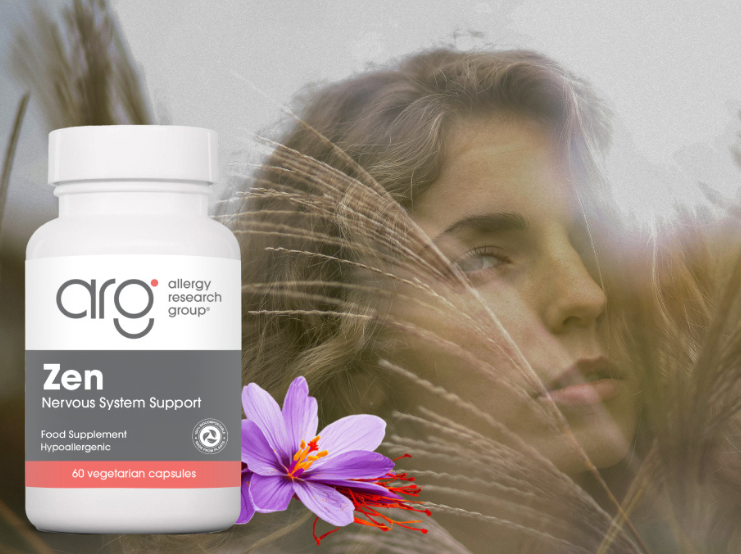
Saffron isn’t just a culinary spice, it’s a botanical with powerful mood-supporting properties. Research shows saffron can help ease feelings of anxiety, support emotional balance, and even improve comfort during the menstrual cycle. Its active compounds influence serotonin, the “feel-good” neurotransmitter, helping you feel more cantered.
Why people love it:
- Natural support for emotional balance
- May help with PMS mood swings
- Can promote calm and better sleep
Why pure saffron matters
Not all saffron is created equal. Recent alerts from the Food Standards Agency (FSA) revealed that some saffron on the UK market was adulterated with synthetic dyes and mislabeled grades, violating food safety regulations. This not only reduces its effectiveness but also undermines trust in one of the world’s most valuable botanicals.
High-quality saffron, like Safr’Inside™, undergoes rigorous testing to guarantee purity and authenticity:
- DNA authentication to confirm Crocus sativus L.
- UHPLC analysis to ensure no other species are present
- GC-IRMS verification for absence of synthetic compounds
- Official certification guaranteeing no dye materials
These steps go far beyond standard market practices, ensuring you get saffron that delivers its full health benefits, without compromise.
L-Theanine – Calm without drowsiness
Found in green tea, L-theanine promotes relaxation while keeping you alert (Nobre AC et al 2008) It works by increasing alpha brain waves, which are linked to a calm, focused state. Perfect for exam stress or high-pressure days when you need clarity without sedation.
Benefits you’ll notice:
- Promotes relaxation without sedation
- Helps reduce stress-related tension
- Supports focus and mental clarity
Magnesium – The relaxation mineral
Magnesium plays a key role in nerve function and muscle relaxation. Stress tends to deplete magnesium, which can leave you feeling tense and fatigued (Pickering G et al 2020). Magnesium can suffer many losses in food manufacturing; processed foods are stripped of many essential nutrients yet are the foods that many reach for when they are wired, tired and stressed such as refined sugars and carbohydrates. Magnesium is required for hundreds of enzymic pathways in the body. When we are depleted, it can affect us physically, mentally, and emotionally.
Why it matters:
- Helps calm the nervous system
- Reduces muscle tension
- Supports energy and resilience
- Regulates our heartbeat and blood pressure
- Stabilises blood sugar and much more.
Vitamin B6 – The mood regulator
This little vitamin is a big deal for the mood. B6 helps your body make neurotransmitters like serotonin and dopamine, which are key for emotional stability. When stress is high, your need for B6 increases, so getting enough is important. Food sources include Fish, poultry, nuts, seeds, leafy greens and wholefoods.
How it helps:
- Supports healthy mood regulation
- Works with magnesium for stress relief
- Helps balance hormones
Why these nutrients work together
Stress impacts multiple pathways, neurotransmitters, hormones, and nutrient status. Saffron supports serotonin activity, L-theanine calms brain waves, magnesium relaxes muscles and nerves, and B6 helps produce neurotransmitters. Together, they create a holistic approach to stress relief that works for:
- Exam stress in teens
- Daily anxiety and overwhelm
- Hormonal ups and downs like PMS
Lifestyle tips to boost results
Natural nutrients work best alongside healthy habits:
- Prioritize Sleep: Aim for 7–9 hours to allow hormonal and nervous system recovery.
- Eat Whole Foods: Include omega-3s, leafy greens, and protein for neurotransmitter support.
- Practice Mindfulness: Meditation and breathing exercises reduce cortisol and calm the mind.
- Move Daily: Moderate exercise like walking or yoga helps regulate stress hormones.
- Limit Screen Time: Reduce overstimulation and improve sleep quality.
- Stay Hydrated: Dehydration can worsen fatigue and stress symptoms.
Stress and hormones: The PMS connection
For many women, stress and hormonal fluctuations collide during the luteal phase of the menstrual cycle, leading to PMS symptoms like mood swings, anxiety, and fatigue. When oestrogen and progesterone drop, serotonin levels often follow, making emotional balance harder to maintain. Saffron has been shown to support serotonin regulation (Chauhan S et al 2024), easing emotional disturbances and improving comfort before and during menstruation (Agha-Hosseinie M et al 2008)
Final thoughts
Stress and anxiety may be unavoidable, but their impact doesn’t have to be. By combining lifestyle changes with natural solutions like saffron, L-theanine, magnesium, and B6, you can restore harmony, improve emotional balance, and feel more resilient, whether you’re managing PMS, exam stress, or everyday overwhelm.
References
Nobre AC, Rao A, Owen GN. L-theanine, a natural constituent in tea, and its effect on mental state. Asia Pac J Clin Nutr. 2008;17 Suppl 1:167-8. PMID: 18296328.
Chauhan S, Tiwari A, Verma A, Padhan PK, Verma S, Gupta PC. Exploring the Potential of Saffron as a Therapeutic Agent in Depression Treatment: A Comparative Review. Yale J Biol Med. 2024 Sep 30;97(3):365-381.
Agha-Hosseini M, Kashani L, Aleyaseen A, Ghoreishi A, Rahmanpour H, Zarrinara AR, Akhondzadeh S. Crocus sativus L. (saffron) in the treatment of premenstrual syndrome: a double-blind, randomised and placebo-controlled trial. BJOG. 2008 Mar;115(4):515-9.
Pickering G, Mazur A, Trousselard M, Bienkowski P, Yaltsewa N, Amessou M, Noah L, Pouteau E. Magnesium Status and Stress: The Vicious Circle Concept Revisited. Nutrients. 2020 Nov 28;12(12):3672.


Karen Devine, CNHC Registered Nutritionist and Naturopath, is a Colonic Hydrotherapist and Functional Medicine practitioner (AFMCP). Since 2007, she has provided technical support for Nutri-Link Ltd, advising practitioners and patients on nutritional products. Trained at The Plaskett College, Karen has run her own clinic since 1999 and continues to consult privately. She regularly attends postgraduate seminars to stay current in functional medicine. Karen has appeared on The Spa of Embarrassing Illnesses...