Need Help? 0333 577 0404

diet

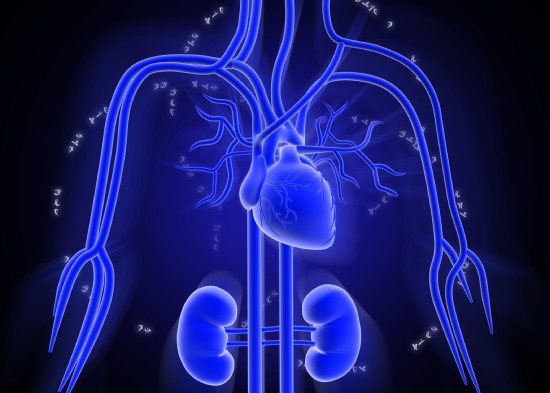
 Cardiovascular-Kidney-Metabolic (CKM) Syndrome: A Systems-Based Approach to Heart, Kidney and Metabolic Health
Metabolism Cardiovascular Health Lifestyle Medicine

Cardiovascular-Kidney-Metabolic (CKM) Syndrome: A Systems-Based Approach to Heart, Kidney and Metabolic Health

As a healthcare practitioner, you may still be reflecting on the recent shift in thinking around polycystic ovary syndrome (PCOS). Increasingly, clinicians are recognising that this condition extends far beyond the ovaries, prompting some experts to adopt the term polyendocrine metabolic ovarian syndrome (PMOS) to better reflect the interconnected metabolic, endocrine and inflammatory processes involved.Ā  For many working within lifestyle medicine, this broader perspective feels familiar. The...

Read more
Could Caricol® Gastro Support Reflux Symptoms During a Clinically Supervised Reduction in PPI Use?
Digestive Health Lifestyle Medicine Diets

Could CaricolĀ® Gastro Support Reflux Symptoms During a Clinically Supervised Reduction in PPI Use?

In the past decade, I’ve witnessed an increasing number of clients taking PPIs and then having difficulty in stopping them. They were originally intended for short term use only, but now I have clients who have been on these drugs for years. Therefore, any natural remedy which can support the process of coming off PPIs with the least amount of symptoms and rebound acid reflux episodes is very welcome. Not just in the UK but in many countries, interest in appropriate proton pump inhibitor (PPI) use...
Read more
Optimising Testosterone Naturally: A Functional Approach to Men’s Hormone Health
Ageing Minerals Vitamins

Optimising Testosterone Naturally: A Functional Approach to Men’s Hormone Health

Maintaining healthy testosterone levels is essential for men’s overall wellbeing. From energy and mood to muscle mass, metabolic health, and libido, this key hormone influences multiple systems throughout the body. Testosterone levels naturally decline with age, typically beginning around age 30, with an average decrease of approximately 1% per year. Lifestyle factors such as chronic stress, poor sleep, inactivity, toxin exposure, nutrient deficiencies, and excess body fat can accelerate this process...
Read more
To Top