Need Help? 0333 577 0404

Probiotics

The Gut-Brain Connection: Advancing Health Through Nutrition
Immune Health Digestive Health Nervous System

The Gut-Brain Connection: Advancing Health Through Nutrition

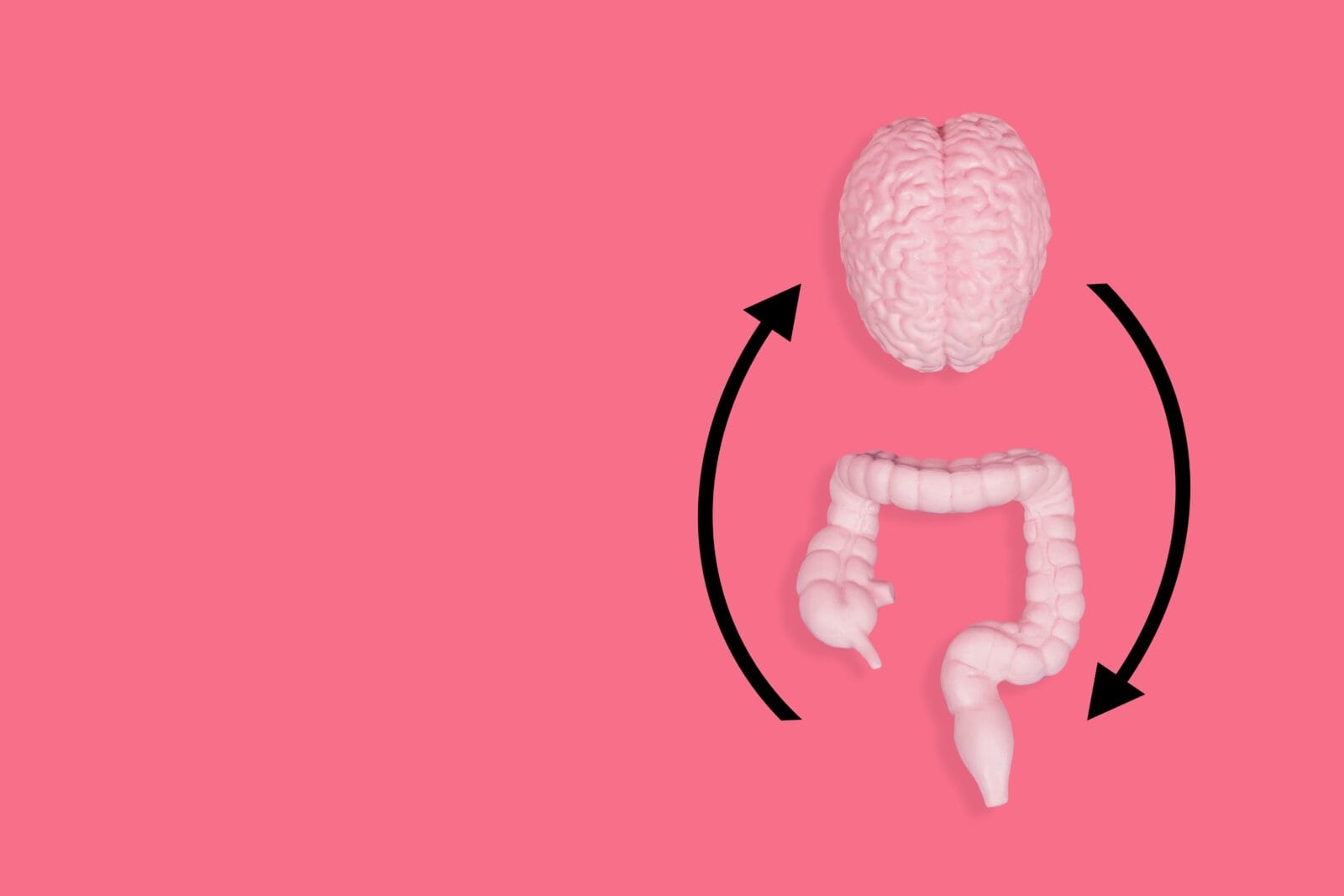
Recent scientific discoveries have unveiled a profound link between gut health and brain function, positioning dietary choices and gastrointestinal well-being at the forefront of overall health.[1] This connection is particularly significant in two areas: the use of probiotics for digestive health[2] and the application of neuronutrition in stroke recovery[3]. Probiotics and the Aryl Hydrocarbon Receptor A groundbreaking study published in Foods has shed light on how probiotics influence gut health...
Read more
Cardiovascular Disease and Gut Microbiota
Probiotics Cardiovascular Health

Cardiovascular Disease and Gut Microbiota

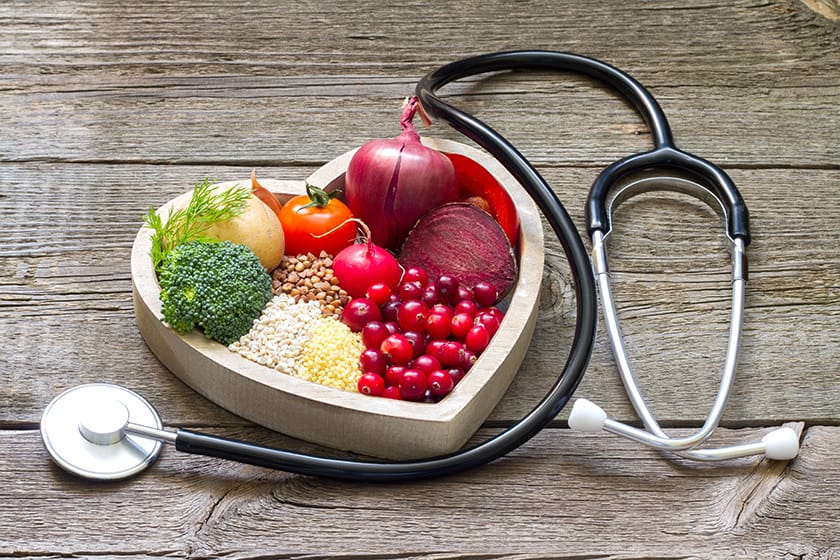
The dark matter of the gastrointestinal microbiome, where yet to be fully discovered bacteria reside, is being steadily explored and some of the related inhabitants have been linked to the production of an enzyme that can convert artery clogging cholesterol into a more harmless form that is not absorbed by the body. In two groundbreaking studies published in Nature Microbiology and Cell, researchers have uncovered the potential of specific gut bacteria to reduce cholesterol levels, paving the way...
Read more
Sleep-Immunity-Nutrition
Immune Health Probiotics Sleep

Sleep-Immunity-Nutrition

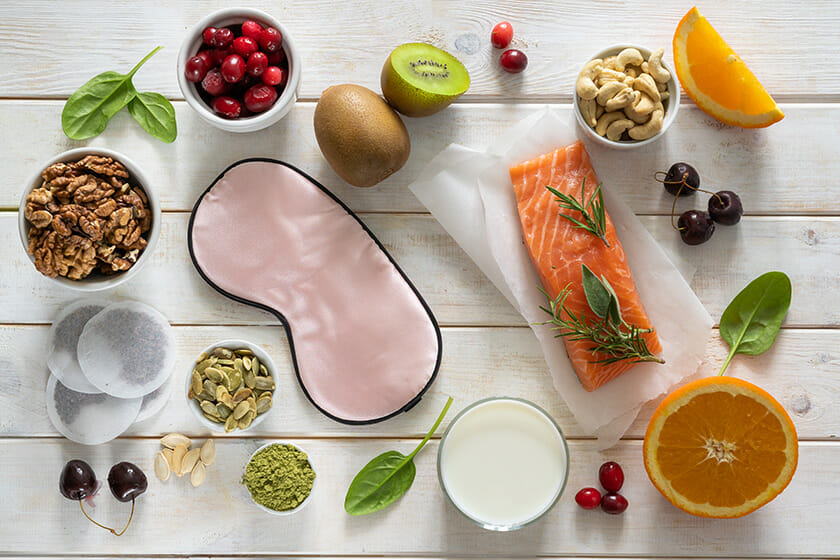
Over the last decades, the prevalence of sleep disorders has substantially increased globally, and it is increasingly understood to have many important health and economic-related effects.[1] A wide range of behavioural risk factors have been identified to explain, at least in part, this rise in sleep challenges. One primary driver is the evolution of the modern lifestyle which is characterised by a number of potential contributors, such as higher levels of non-resolving stress, prolonged working...
Read more
Leveraging diet to engineer the gut microbiome to manage inflammation
Immune Health Digestive Health Probiotics

Leveraging diet to engineer the gut microbiome to manage inflammation

The gut microbiome, i.e., the community of bacteria and other microorganisms living in the human gut, has been implicated both directly and indirectly (mediating the effects of diet) on human health.  Differences in gut microbiome composition and function have been associated with a variety of chronic diseases ranging from gastrointestinal inflammatory and metabolic conditions to neurological, autoimmunity, cardiovascular, and respiratory illnesses[1]. Headline Takeaways Gut microbiome composition...
Read more
Specialist Probiotics & Fat-Soluble Vitamins
Probiotics Weight management Vitamins

Specialist Probiotics & Fat-Soluble Vitamins

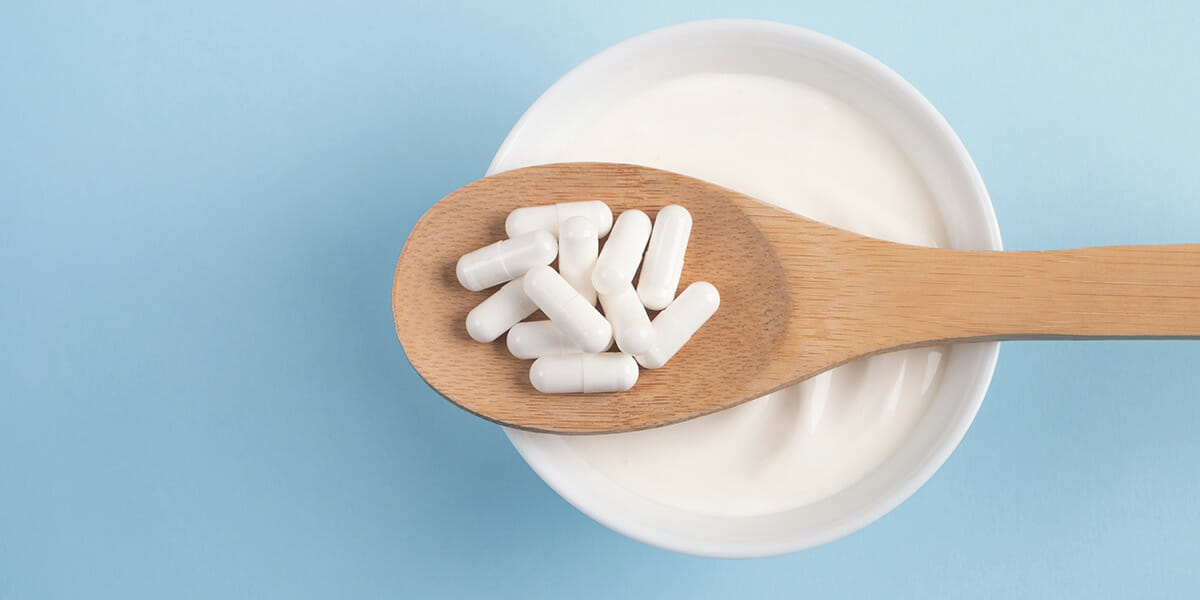
It seems that these two long-standing areas of oral intervention in nutritional therapy and related clinical management are experiencing an ongoing and much-welcomed update in terms of application and use. Specialist Probiotics Probiotics are steadily evolving their application into specific clinical needs with recognised genera and strains (such as Akkermansia muciniphila), as opposed to their more familiar, nonspecific ecologic application. Research papers continue to show a steady progression...
Read more
Akkermansia to the rescue
Digestive Health Detoxification Vitamins

Akkermansia to the rescue

The connection between gut microbiota and human health is well recognised and described, yet areas of uncertainty remain. This ultimate collaboration on human health has helped scientists to explain the essential mutual dependence between humans and their gut bacteria. Gut microbiota can be choreographed through passive or active strategies. The former includes hygiene, diet, lifestyle, and environment, while the latter comprises antibiotics, pre- and probiotics. In addition, dietary constituents...
Read more
Antibiotics May Cause Gut Related Disease
Digestive Health Probiotics

Antibiotics May Cause Gut Related Disease

Many of us are eternally grateful for the discovery by Sir Alexander Fleming that he discovered the antibiotic  substance penicillin from the fungus Penicillium notatum  in 1928, for which he shared the Nobel Prize in Physiology or Medicine in 1945 with colleagues Howard Walter Florey and Ernst Boris Chain. But like many drugs they have been overused and over prescribed, antibiotics kill bacteria only and the use of these for viral infections, as well as prolonged use and antibacterial resistance...
Read more
To Top