Need Help? 0333 577 0404

Cardiovascular Health

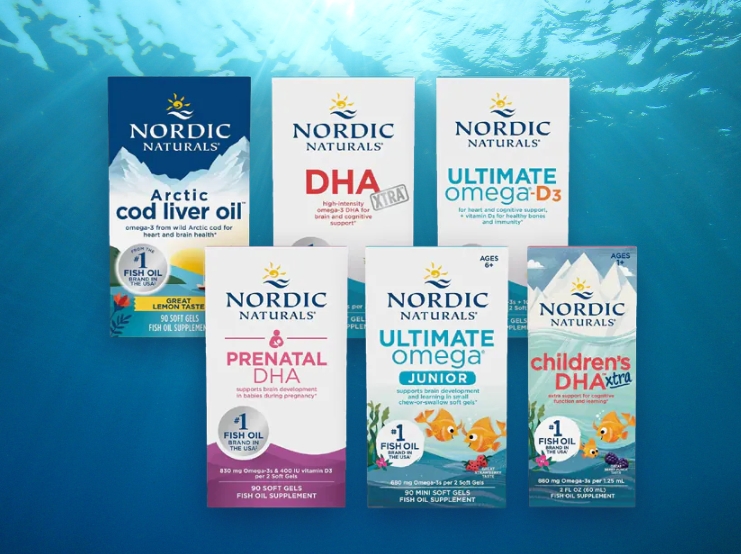
Cod liver oil vs fish oil
Essential Fatty Acids Brain Health Cardiovascular Health

Cod liver oil vs fish oil

The global fish oil market is booming with a projected growth from USD 10.4 billion in 2025 to USD 24.6 billion by 2035 with a compound annual growth rate (CAGR) of 9%. This growth is driven by rising consumer awareness of omega-3 its health benefits. * However, when it comes to fish oils, choosing the best quality fish oil supplements should be non-negotiable due to the risk of contaminants and/or oxidised (rancid) oils that can create inflammation and damage cellular structures.  Nordic Naturals...
Read more
Cardiovascular Disease and Gut Microbiota
Probiotics Cardiovascular Health

Cardiovascular Disease and Gut Microbiota

The dark matter of the gastrointestinal microbiome, where yet to be fully discovered bacteria reside, is being steadily explored and some of the related inhabitants have been linked to the production of an enzyme that can convert artery clogging cholesterol into a more harmless form that is not absorbed by the body. In two groundbreaking studies published in Nature Microbiology and Cell, researchers have uncovered the potential of specific gut bacteria to reduce cholesterol levels, paving the way...
Read more
Sugar-sweetened drinks raise the risk of cardiovascular concerns, despite physical exercise
Cardiovascular Health Sleep

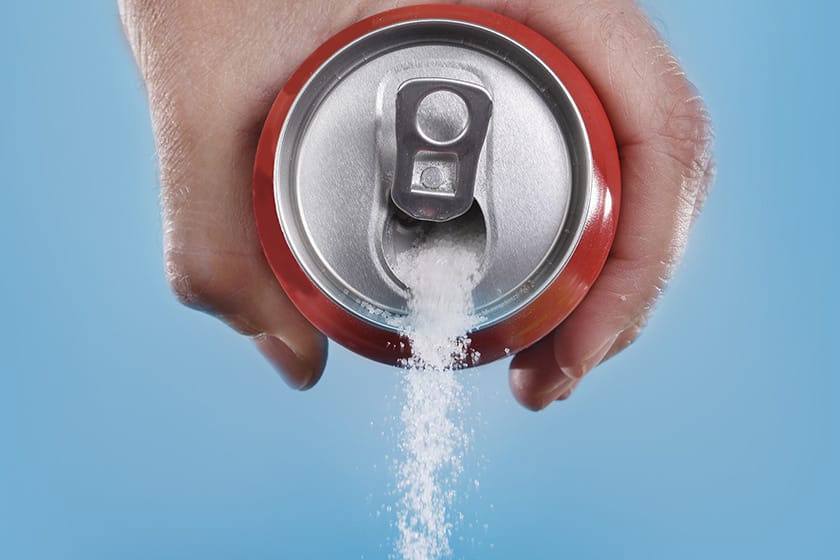
Sugar-sweetened drinks raise the risk of cardiovascular concerns, despite physical exercise

In the ever-evolving field of nutrition science, a compelling piece of research recently featured in the Current Developments in Nutrition journal meticulously combed through 20 clinical trials to decode the cardiovascular implications tied to our drink choices[1]. The drinks under the microscope included a broad spectrum from the morning ritual of tea and coffee, the mid-day boost from fruit juices and energy drinks, to the evening unwind with alcohol, and the ubiquitous presence of sugar-sweetened...
Read more
A rationale for policy change, nudging and commercial regulation of ultra-processed foods
Brain Health Cardiovascular Health Lifestyle Medicine

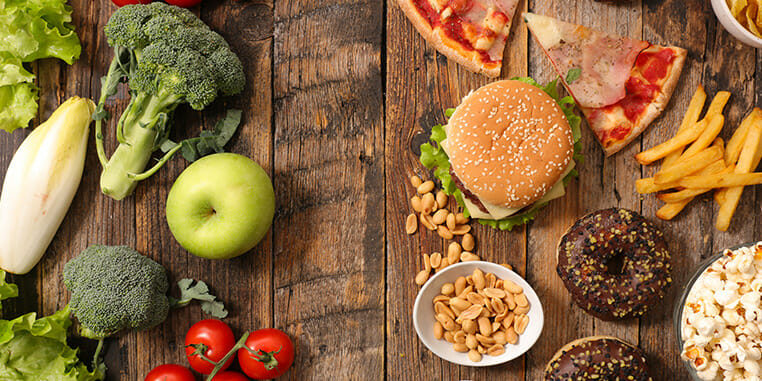
A rationale for policy change, nudging and commercial regulation of ultra-processed foods

  Ultra-processed foods encompass a wide range of items, spanning from carbonated beverages to breakfast cereals and from pre-packaged snacks to cured meats. These products are notorious for their extensive use of additives, which are often detrimental to health. Among these additives are oils, fats, sugars, starches, and sodium, which not only diminish the nutritional value of the food but also pose potential health risks[1]. Additionally, emulsifiers such as carrageenan, mono- and diglycerides...
Read more
Ultra-Processed Foods – Can/should they be made Healthier?
Metabolism Weight management Cardiovascular Health

Ultra-Processed Foods – Can/should they be made Healthier?

Ultra-processed foods are understood to be detrimental to human health across several parameters, including macronutrient and micronutrient composition, fibre, effects of food additives, toxins, heat exposure, and packaging.[1] They are only cheap (as promoted by various MPs) when the costs of their negative metabolic effects are externalised to personal health care and public health budgets. The cost of the metabolically related and rapidly increasing obesity crisis and just one of the consequences...
Read more
Global Challenges with Lifestyle Solutions
Metabolism Cardiovascular Health Sleep

Global Challenges with Lifestyle Solutions

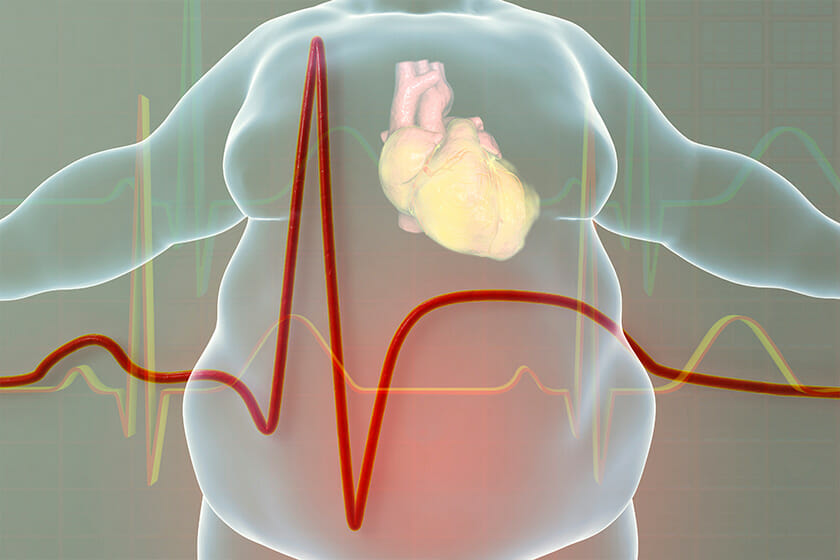
The global obesity epidemic is well established, with increases in obesity prevalence in most countries since the 1980s. Obesity is understood to contribute directly to incident cardiovascular risk factors, including dyslipidaemia, type 2 diabetes, hypertension, and sleep disorders. Obesity also leads to the development of cardiovascular disease (CVD) and CVD mortality independently of other cardiovascular risk factors. The development of CVD is driven, in part, by obesity-related metabolic, endocrinologic...
Read more
Enzymes and Lipids – a Healthy Vasculature Can Make
Food Cardiovascular Health Vitamins Diets

Enzymes and Lipids – a Healthy Vasculature Can Make

It was over 2,000 years ago that the Japanese population made natto a staple of their diet. Natto is a cheese-like food composed of soybeans fermented with a bacterium – Bacillus subtillis. Recognised for its beneficial cardiovascular effects, it has been extensively studied[1]. Relatively little was known regarding the mechanism by which natto intake led to an overall improvement in cardiovascular health until the 1980s. A potent fibrinolytic enzyme called nattokinase was discovered in natto in...
Read more
Aging? – How are you Managing Health
Ageing Cardiovascular Health Diets

Aging? – How are you Managing Health

By 2030, the number of people aged 60 and older will grow by more than 50 percent, from 900 million in 2015 to 1.4 billion[1]. That is just over 8 years away at the time of writing this piece! Further, noncommunicable diseases, those more closely linked to social circumstances, lifestyle and behaviour, such as cardiovascular diseases (e.g. heart attacks and stroke), cancers, chronic respiratory diseases (e.g.chronic obstructive pulmonary disease and asthma) and diabetes, will account for 71 percent...
Read more
Apples and Cardiovascular Health—Is the Gut Microbiota a Core Consideration?
Food Cardiovascular Health Diets

Apples and Cardiovascular Health—Is the Gut Microbiota a Core Consideration?

There is now considerable scientific evidence that a diet rich in fruits and vegetables can improve human health and protect against chronic diseases. However, it is not clear whether different fruits and vegetables have distinct beneficial effects. A paper in Nutrients published in May 2015 helps to tease apart some of the key mechanisms involved related to the consumption of apples.[1] Apples are among the most frequently consumed fruits and a rich source of polyphenols and fibre. A major proportion...
Read more
Mental Health Brain Health Cardiovascular Health

Optimistic People Have Healthier Hearts, Study Finds

Are you a half full or half empty person, I ask because those that are half full may actually have a heart health advantage over their more dour partners. Optimism it seems is associated with better heart health than pessimism based on a recent study of 5,100 adults. People who have upbeat outlooks on life have significantly better cardiovascular health, suggests a new study that examined associations between optimism and heart health in more than 5,100 adults. Via the Multi-Ethnic Study of Atherosclerosis...
Read more
Posts loader
To Top