The health benefits of dry January - Why taking a break from alcohol matters
0%
As we head into January, many people choose to close the door on alcohol for a month, taking a break to prioritise their health and wellbeing. This ‘time out’ has become a popular way to reset after the festive season and reflect on personal habits. Alcohol consumption is widespread across the world, and in the UK alone, it’s estimated that around 80% of adults drink alcohol (alcoholchange.org.uk).
Alcohol is deeply ingrained in many cultures, yet its physiological impact is profound. Beyond the immediate effects on mood and behaviour, alcohol exerts significant stress on detoxification pathways, places more of a burden on the liver, and impairs mitochondrial efficiency.
This article explores these mechanisms and highlights the benefits of participating in dry January, a month-long alcohol-free period designed to support eh body in resetting health and vitality.
Alcohol effects on the body
Alcohol consumption has become normalised in our society, evident in the extensive range of alcoholic drinks readily available in supermarkets available all hours of the day, plus UK pubs open from late morning to past midnight in some places.
On Christmas day over half of adults (57%) will binge drink (drinkaware.co.uk), that is just Christmas day, many have consumed high levels of alcohol with the parties and gatherings leading up to the big day !
Both excess drinking on a single occasion or drinking at lower levels regularly can seriously affect the body overtime. Research has shown that regardless of beverage type, it can have body wide effects including –
- Brain/Neurological system - alcohol can interfere with the brain’s communication pathways which can affect our mental health as it can alter our sleep, mood and behaviour as well as increasing the risk of strokes. Alcohol also lowers key neurotransmitters such as dopamine (our feel good chemical).
- Endocrine system – alcohol affects hormones that are vital for mood, growth, reproduction, and metabolism which can lead to immune issues, stress intolerance, bone loss, diabetes, hormonal issues and much more.
- Gastrointestinal (GI) effects – alcohol can damage the epithelial lining of the GI which can trigger inflammation that can lead to leaky gut, GI bleeding, increased risk of gastroesophageal reflux as well as being associated with an increased risk of oesophageal and oral cancers as well as colorectal
- Immune weakness – excessive drinking on a single occasion can slow the body’s ability to fight off infections for up to 24 hours after. Both acute and chronic heavy use of alcohol can reduce key immune cells such as T, B and natural killer cells, leaving us more vulnerable to infections.
- Pancreas – inflammation of the pancreas is called pancreatitis and alcohol misuse over time has can lead to this painful condition. Pancreatitis affects digestion as well as hormones such as insulin.
- Cardiovascular – research shows that long-term heavy drinking can weaken the heart muscle, lead to high blood pressure, arrhythmia and more.
The liver is the primary organ responsible for metabolising approximately 90% of ingested alcohol, primarily through oxidative pathways that convert it into less harmful byproducts. This process occurs mainly in the hepatocytes (liver cells), via three key enzymatic systems known as alcohol dehydrogenase (ADH), aldehyde dehydrogenase (ALDH), and the microsomal ethanol oxidising system (MEOS), with cytochrome P450-2E1 (CYP2E1) playing a central role in the latter, especially during chronic or binge drinking. (LeFort, K.R et al 2024)
Liver Burden
The liver performs hundreds of tasks such as nutrient metabolism, hormone regulation, bile production, maintains blood glucose levels and much more. One of its vital roles is the filtering and the detoxification of toxins, either those produced in the body (endogenous) and those from the environment that we ingest, inhale and absorb (exogenous).
Alcohol is a toxin and is harmful to the liver, continued exposure to it (along with environmental toxins), poor diet, stress, medications, smoking and more can overburden the liver as the enzyme systems become overwhelmed.
When we regularly consume alcohol, it seriously challenges the roles of the liver. When alcohol enters our system, the liver prioritises its breakdown, firstly into acetaldehyde which is a known carcinogen and is the main compound that gives us the common headache/hangover symptoms.
Therefore, acetaldehyde must be further converted quickly to another compound called acetate which is less harmful. This step takes place mainly in the mitochondria of the liver cells.
Mitochondria efficiency
We have trillions of mitochondria distributed in varying amounts in every cell. It is said that each liver cell contains 1000-2000[ii]
Our mitochondria are known as the cell’s powerhouses, they give us life!! They not only produce our cellular energy, but they are also vital for immune responses, muscle and nerve function, cell growth, apoptosis and much more. As they are the cell’s power houses, they are the producers of reactive oxygen species (ROS) which are unstable molecules due to the high metabolic activity and continued flux of electrons.
To avoid the build up of ROS we need our inbuilt antioxidant enzymes such as SOD (superoxide dismutase, catalase and glutathione peroxidase) as well as non-enzymatic enzymes from our diet to help from our colourful plant kingdom (fruits, vegetables, seeds, nuts, wholegrains).
Alcohol produces oxidative stress by increasing the formation of reactive oxygen species (ROS) that damage mitochondrial membranes and DNA, reducing their ability to generate the power our cells need, not just in the liver but in other tissues too.
As mitochondria are the primary site for the vital step to convert acetaldehyde into acetate, we can see how drinking alcohol has such a profound effect on the liver. Some individuals have a genetic mutation whereby this vital step is inefficient, leaving them feeling very unwell even after a small amount of alcohol as the acetaldehyde builds up triggering nausea, headaches, rapid heart rate etc (Bipul Ray et al 2024)
Chronic alcohol intake damages liver cells as it overwhelms its detoxifications systems, affects mitochondrial function via the increase of oxidative stress, lowering energy production and leading to the known risks of long-term drinking such as fatty liver, fibrosis, inflammation and liver cirrhosis. (Themis Thoudam et al 2024)

Alcohol and our nutrient needs
Alcohol imposes a high demand for specific nutrients, leading to their accelerated depletion due to increased enzymatic utilization, impaired absorption, urinary excretion and oxidative stress.
Antioxidants such as glutathione (GSH), which is the body’s master antioxidant, is required to neutralise the byproducts of alcohol, especially acetaldehyde and protect us from the intense oxidative stress alcohol creates, especially in the liver.
As alcohol intake generates substantial toxic free radicals with its metabolic byproduct acetaldehyde which uses up glutathione, continued drinking affects these defenses which become overwhelmed. (James J. Prisciandaro et al 2025)
Taking a glutathione (GSH) supplement can be helpful in boosting this major antioxidant, however, it can be a challenge to take glutathione direct as it has poor oral bioavailability mainly due to the action of an intestinal enzyme (GGT) and other proteases which break down the tripeptide structure of GSH in the stomach and intestines, which degrades GSH.
However, there are now various supplements that have enhanced delivery methods that bypass these issues and are stable in the stomach and gastrointestinal tract, as well as those that use liposomal technology that protect it from the degradation to allow absorption.
Another supplement , NAC is also known as N-acetylcysteine, that provides the amino acid cysteine that converts into L-cysteine in the liver which converts NAC into cysteine which is used by the cells to build glutathione that is made from 3 amino acids, glutamate, cysteine and glycine.
Taking NAC can boost our bodies production of glutathione which can help in neutralising alcohol induced toxins, as well as donating electrons to neutralize the build up of free radicals (ROS).
Glutathione is just one antioxidant that can be helpful to support the liver and mitochondria function.
Other key nutrients
Alcohol increases other nutrient demands, especially those required by the liver to optimise detoxification and clearance. Nutrients such as B vitamins, Zinc, Iron, Choline, Selenium and more.
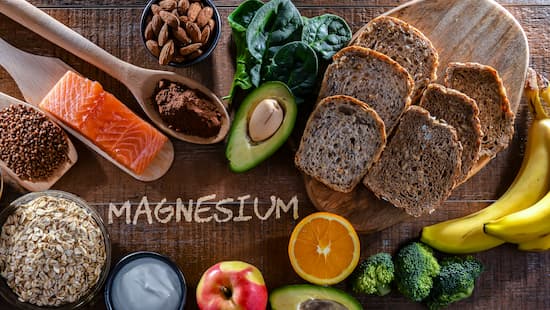
Magnesium losses are common as alcohol is a known diuretic which increases magnesium loss in the urine. Alcohol also impairs absorption of magnesium (and other nutrients) because of the epithelial tissue of the gut previously mentioned.
Magnesium is an abundant mineral naturally found in wholefoods. It is needed for over 3.700 proteins in the body (Piovesan et al 2012) that support energy production, muscle function, brain health, bone structure, healthy blood pressure and blood sugar levels, hormone and neurotransmitter production and much more.
Ceasing alcohol can really help our body recover from many of these losses and help us to restore energy and wellbeing.
How does dry January help?
As we can see, chronic alcohol or short heavy bursts of drinking can have a profound effect on our health physically, mentally and emotionally. It’s not just the financial burden but the body burden we need to be concerned about.
Many see this as a ‘challenge’ often approaching the month with a sense of dread, framing it purely as a test of willpower which makes the process feel restrictive rather than restorative.
Instead, viewing dry January as an opportunity to nourish the body, enhance energy, and gain clarity can transform the experience into something empowering and positive.
Initially, with all the nutrient losses, especially magnesium, many find that sleep is quite erratic as they were so used to having a tipple in the evening which got them to sleep. Not only nutrient losses but hydration levels will also be affected so this initial stage can highlight some key areas that need attention. For some, taking a magnesium supplement that supplies magnesium in the form of glycinate and malate can help them relax and get that good quality sleep they need.
B Vitamins can also be helpful at this time to support mood, lift energy levels and support the production of hormones and neurotransmitters such as serotonin and dopamine which are our feel-good chemicals.
After the initial sleep disturbances, things can start to improve, you may feel the brain fog lifting, thinking more clearly and noticing improved energy especially if you are ensuring you are hydrated. (alcoholchange.org.uk)
You may also notice a few pounds dropping off, especially if you are getting outdoors more, walking and exercising and eating a nutritious diet.
After a month of no alcohol, you may notice your skin looking brighter, blood pressure dropping, blood sugar levels becoming more stable, immune system stronger and much more.
Tips for success during dry January
- Plan for alcohol-free alternatives, from sparking water, herbal teas, alcohol-free drinks such as those based on ginger. Try to avoid putting anything in a wine or beer glass as this can be a psychological trigger for wanting alcohol.
- Get outdoors in natural light as much as possible, this helps our internal clock function better (circadian), helping sleep, digestion and more.
- Prioritise sleep – aim to go to bed at the same time and catch up with any sleep deprivation.
- Move your body in ways that are fun for you – just move!
- Get hydration – not just drinking a few glasses of water (ideally filled with fruits/cucumbers/celery for the minerals), but also eat your hydration by enjoying fresh seasonal fruits and vegetables.
- Eat dense nutrient wholefoods foods -, especially a wide of colourful plant foods for the antioxidant rich nutrients.
- Eat regularly, do not skip main meals, enjoy lean protein (fish, chicken etc) and some healthy fats (supports cellular membranes).
- Do something with your hands in the evening, puzzles, crosswords etc rather than sit in front of the TV.
To conclude
Alcohol’s impact on detoxification, liver health and mitochondria efficiency is significant, but reversible. Dry January offers a powerful reset, restoring biochemical balance and may just pave the way for an alcohol-free lifestyle or at least a way forward for drinking less. Whether for physical health, mental clarity, financial, or simply a fresh start, the benefits are undeniable.
N.B - There may be a need for some to seek professional help for their chronic excessive drinking, please talk to your GP or local community alcohol service who can get you the best support to help reduce or cease alcohol completely.
References
LeFort, K.R., Rungratanawanich, W. & Song, BJ. Contributing roles of mitochondrial dysfunction and hepatocyte apoptosis in liver diseases through oxidative stress, post-translational modifications, inflammation, and intestinal barrier dysfunction. Cell. Mol. Life Sci. 81, 34 (2024). https://doi.org/10.1007/s00018-023-05061-7
Ray, B.; Rungratanawanich, W.; LeFort, K.R.; Chidambaram, S.B.; Song, B.-J. Mitochondrial Aldehyde Dehydrogenase 2 (ALDH2) Protects against Binge Alcohol-Mediated Gut and Brain Injury. Cells 2024, 13, 927. https://doi.org/10.3390/cells13110927
Thoudam T, Gao H, Jiang Y, Huda N, Yang Z, Ma J, Liangpunsakul S. Mitochondrial quality control in alcohol-associated liver disease. Hepatol Commun. 2024 Oct 24;8(11):e0534.
Piovesan, D., Profiti, G., Martelli, P.L. et al. The human "magnesome": detecting magnesium binding sites on human proteins. BMC Bioinformatics 13 (Suppl 14), S10 (2012). https://doi.org/10.1186/1471-2105-13-S14-S10


Karen Devine, CNHC Registered Nutritionist and Naturopath, is a Colonic Hydrotherapist and Functional Medicine practitioner (AFMCP). Since 2007, she has provided technical support for Nutri-Link Ltd, advising practitioners and patients on nutritional products. Trained at The Plaskett College, Karen has run her own clinic since 1999 and continues to consult privately. She regularly attends postgraduate seminars to stay current in functional medicine. Karen has appeared on The Spa of Embarrassing Illnesses...