Need Help? 0333 577 0404

Digestive Health

Berberine: Nature’s Answer to Blood Sugar and Metabolic Health
Metabolism Digestive Health Weight management

Berberine: Nature’s Answer to Blood Sugar and Metabolic Health

Did you know that a golden-yellow compound found in plants like barberry and goldenseal could be one of the most powerful natural allies for your metabolic health? Meet Berberine – a botanical supplement that’s gaining serious attention in the UK and beyond for its wide-ranging benefits, from blood sugar support[i] to gut microbiome balance, and even weight loss.[ii] Whether you’re managing insulin sensitivity, exploring natural weight management options, or curious about emerging technologies...
Read more
Welcome to 'Motility March': Supporting Gastrointestinal Health
Metabolism Digestive Health Product Updates

Welcome to 'Motility March': Supporting Gastrointestinal Health

While not an official UK awareness month, at Nutri Link, we've coined the phrase 'Motility March' to highlight two exciting products that may benefit clients experiencing gastrointestinal (GI) motility issues. The Importance of Fibre Fibre plays a crucial role in regulating gut motility, with well-documented effects on both hypo and hyper motility1. It's essential for sweeping wastes and toxins out of the bowel, regulating blood sugar, promoting satiety, absorbing water, and acting as a prebiotic2...
Read more
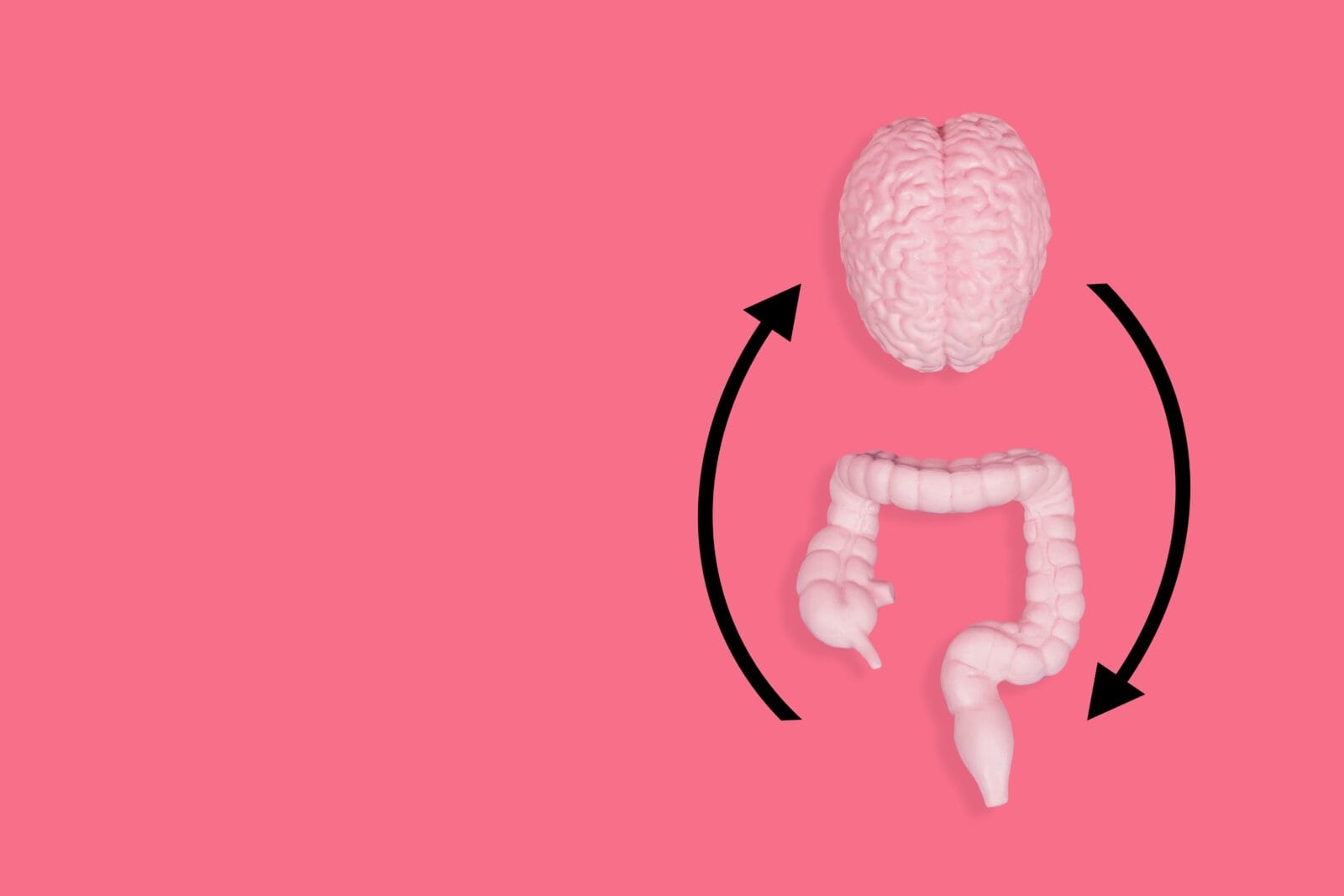
The Gut-Brain Connection: A New Perspective Through Polyvagal Theory
Mental Health Digestive Health Stress Management

The Gut-Brain Connection: A New Perspective Through Polyvagal Theory

Polyvagal theory, developed by Dr. Stephen Porges, offers a revolutionary framework for understanding the intricate relationship between the gut and the brain[1]. This theory provides insights into the complex bidirectional communication pathways that underpin gut-brain interactions, shedding new light on disorders of gut-brain interaction (DGBI)[4]. The Three-Stage Model of Autonomic Regulation Polyvagal theory proposes a three-stage evolutionary model of autonomic regulation: Dorsal Vagal System:...
Read more
IBS Relief: Could a Combined Low-FODMAP and Gluten-Free Approach Be the Solution?
Digestive Health Food Diets

IBS Relief: Could a Combined Low-FODMAP and Gluten-Free Approach Be the Solution?

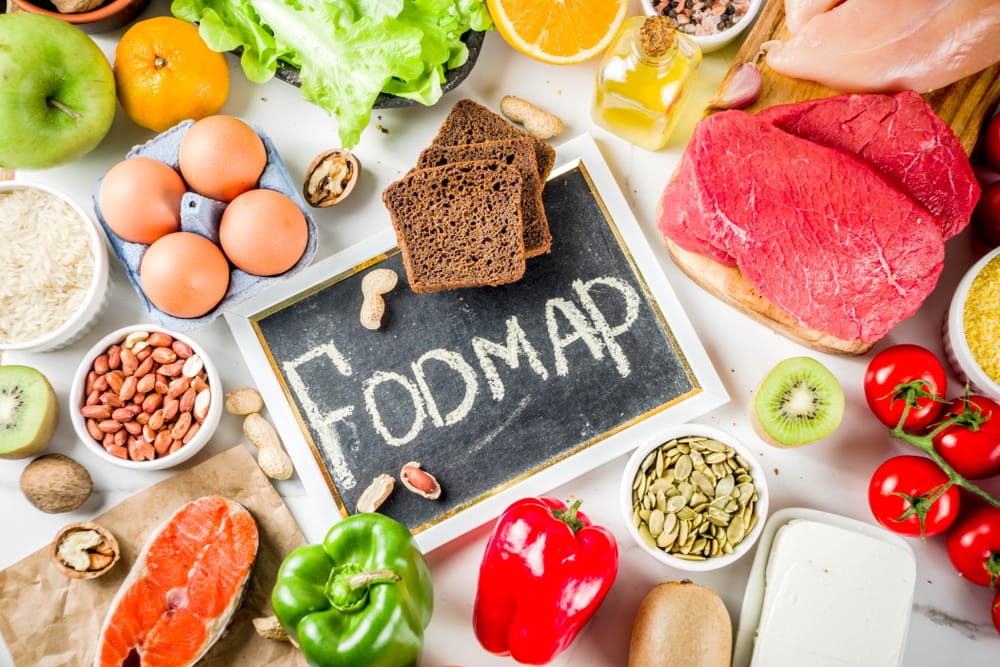
Irritable bowel syndrome (IBS) is a functional gastrointestinal condition characterised by persistent abdominal discomfort, bloating, and irregular bowel habits. Affecting around 10–15% of the global population, IBS presents notable challenges for both patients and healthcare providers due to its multifaceted origins and the lack of a definitive cure. Dietary interventions have become a cornerstone in managing IBS symptoms, with the Low-FODMAP and gluten-free diets gaining substantial attention...
Read more
The Gut-Brain Connection: Advancing Health Through Nutrition
Immune Health Digestive Health Nervous System

The Gut-Brain Connection: Advancing Health Through Nutrition

Recent scientific discoveries have unveiled a profound link between gut health and brain function, positioning dietary choices and gastrointestinal well-being at the forefront of overall health.[1] This connection is particularly significant in two areas: the use of probiotics for digestive health[2] and the application of neuronutrition in stroke recovery[3]. Probiotics and the Aryl Hydrocarbon Receptor A groundbreaking study published in Foods has shed light on how probiotics influence gut health...
Read more
A Healthy Gut is…
Immune Health Digestive Health Phytonutrients

A Healthy Gut is…

For those involved in functional medicine, the significance of the human gut in the onset, persistence, and exacerbation of various health disorders is well established. A comprehensive care package often includes strategies for healing a dysfunctional gut, focusing on restoring the community of microorganisms and their connections both locally and systemically. While there are numerous safe and effective interventions available, the definition of a "healthy gut" can vary significantly among practitioners...
Read more
Immunity and Metabolism
Immune Health Digestive Health Food

Immunity and Metabolism

In this week (22.5.24) Diabetes UK announced that there are now almost 168,000 people aged under 40 years in the UK who live with type 2 diabetes, an increase of more than 47,000 since 2016-17. Diagnoses up 39% in 6 years, with the condition fuelled by obesity, health inequalities and junk food – meaning ultra processed food. According to the report, the total cost associated with diabetes in the UK currently stands at £23.7 billion and is predicted to rise to £39.8 billion by 2035/6. To put this...
Read more
Focus on Leaky Gut
Immune Health Digestive Health

Focus on Leaky Gut

From ancient Ayurvedic practices to the teachings of Hippocrates, the foundational belief in medicine has always posited that the gut is central to health and disease. It is only in recent times that Western medicine has recognised gut-barrier dysfunction as a pathological phenomenon that is pivotal not just for digestive health but also for chronic allergic, inflammatory, and autoimmune diseases. Understanding the Gut Barrier's Role in Health and Disease The gut barrier, comprising the human body’s...
Read more
Vitamin B12, Autoimmunity and ‘Leaky Gut’
Immune Health Digestive Health Vitamin B12

Vitamin B12, Autoimmunity and ‘Leaky Gut’

A paper released on 20th Nov 2023 in the BMJ takes a close look at B12, common practice, and determination of need[1]. This interesting review is aimed at primary care clinicians but represents a good reference paper for all healthcare professionals utilising B12 supplements and nutritional guidance to resolve B12 deficiency or dietary inadequacy. Importantly the paper explores the interindividual variations in absorption, biliary B12 excretion and the somewhat insecure determination of need and...
Read more
Turmeric and its Polyphenol Curcumin is Calling You
Ageing Digestive Health

Turmeric and its Polyphenol Curcumin is Calling You

This natural polyphenol is universally known as the “wonder drug of life” [1] and has a long history of medicinal applications; 5,000 (Ayurveda) and 2,000 (Atharveda) years, respectively[2]. Throughout ancient times in the Far East, turmeric was used to treat inflammatory conditions of various organs, for liver and digestive tract problems, and for wound healing. In the 1970s, the first research on the yellow polyphenolic pigment from the Curcuma longa L. (turmeric) rhizome known as curcumin and...
Read more
Posts loader
To Top