
ADHD and Nutrition: A Functional Medicine Approach to Supporting Cognitive Function in Children and Adolescents
0%
Attention Deficit Hyperactivity Disorder (ADHD) is one of the most commonly diagnosed neurodevelopmental conditions in children and adolescents. Characterised by patterns of inattention, hyperactivity and impulsivity, ADHD can significantly impact academic performance, behaviour, emotional wellbeing and family life.
While ADHD is multifactorial in origin and requires an individualised approach to assessment and management, growing research suggests that nutritional status may play an important supporting role. Nutrient inadequacies, dietary patterns and lifestyle factors may influence cognitive function, neurotransmitter activity and behavioural outcomes in susceptible individuals.
For healthcare practitioners adopting a functional and integrative approach, nutritional assessment can be a valuable component of a broader ADHD management strategy.
Why Consider Nutrition in ADHD?
A substantial body of research has identified associations between ADHD and lower levels of several key nutrients, including:
Omega-3 fatty acids (particularly DHA and EPA)
These nutrients contribute to normal neurological function, cognitive performance, neurotransmitter synthesis and brain development. Research suggests deficiencies or suboptimal status may be more common in individuals with ADHD compared with neurotypical controls.
Although correcting nutritional deficiencies should not be viewed as a replacement for conventional ADHD management, addressing inadequacies may support overall health, cognitive function and behavioural outcomes.
Iron and Cognitive Performance
Iron is essential for neurotransmitter production and normal cognitive development. Studies have reported lower ferritin levels in many children with ADHD, with some research demonstrating an association between reduced iron status and symptom severity.
Practitioners may wish to consider assessing iron status where clinically appropriate, particularly in children presenting with fatigue, concentration difficulties or restricted dietary patterns.
Vitamin D and Brain Function
Vitamin D receptors are widely distributed throughout the brain, and vitamin D plays a role in neurodevelopment, immune regulation and neurological function.
Several studies have observed lower vitamin D status in children with ADHD, while supplementation in deficient individuals has been associated with improvements in behavioural measures in some clinical trials.
Given the prevalence of vitamin D insufficiency in the UK, assessment of vitamin D status may be a valuable consideration within a comprehensive clinical evaluation.
Magnesium and Zinc: Frequently Overlooked Minerals
Magnesium and zinc are involved in hundreds of biochemical reactions affecting nervous system function, mood regulation and cognitive performance.
Research has shown that children with ADHD may be more likely to exhibit lower levels of these minerals, with studies suggesting associations between inadequate status and symptoms such as hyperactivity, impulsivity and inattention.
Practitioners should consider dietary intake, digestive health and other potential contributors to suboptimal mineral status when developing personalised support plans.
Omega-3 Fatty Acids and ADHD
Among nutritional interventions, omega-3 fatty acids have one of the strongest evidence bases in ADHD research.
DHA and EPA are essential components of neuronal membranes and play important roles in neurotransmission and brain function. Several systematic reviews and meta-analyses have reported improvements in measures of attention and ADHD-related symptoms following omega-3 supplementation, particularly in individuals with lower baseline omega-3 status.
For many practitioners, omega-3 supplementation represents a foundational consideration within an integrative ADHD support strategy.
Looking Beyond Nutrients
In clinical practice, nutritional interventions should be considered alongside other lifestyle and environmental factors that may influence cognitive and behavioural function, including:
- Sleep quality and sleep duration
- Blood glucose regulation
- Physical activity
- Exposure to chronic stress
- Food sensitivities where clinically relevant
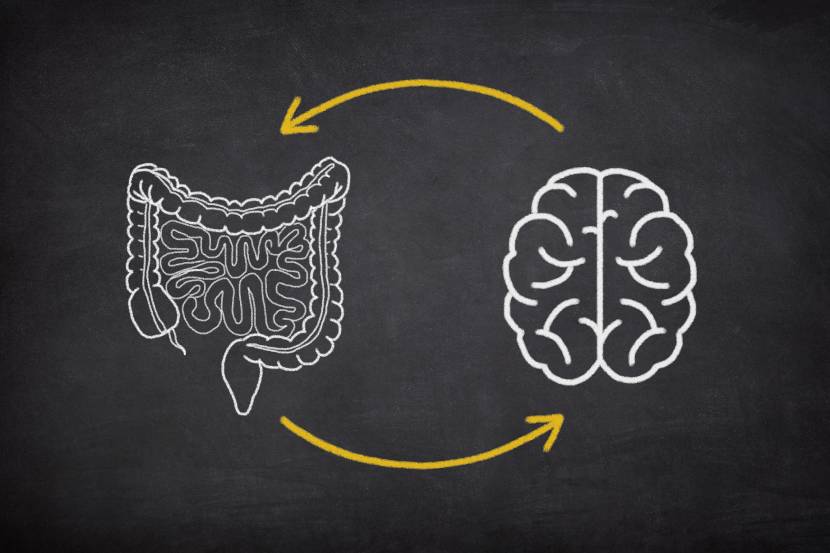
- Gut health and digestive function
- Family and educational support systems
A whole-person approach may help practitioners better understand factors contributing to individual presentations.
A Practitioner-Led Approach
ADHD is a complex condition requiring comprehensive assessment and appropriate clinical management. Nutritional interventions are not intended to diagnose, treat or cure ADHD, but may form part of an evidence-informed, multidisciplinary support plan.
By identifying potential nutritional insufficiencies and supporting optimal dietary intake, healthcare professionals may help create the physiological foundations that support cognitive performance, attention and overall wellbeing.
Common Nutritional and Lifestyle Factors Associated with ADHD
- Suboptimal omega-3 fatty acid status (particularly EPA and DHA)
- Low iron levels and reduced ferritin status
- Vitamin D insufficiency
- Inadequate magnesium status
- Zinc deficiency or low dietary intake
- Poor sleep quality and insufficient sleep duration
- Blood sugar imbalances affecting concentration and focus
- Chronic stress and dysregulated stress responses
- Gut health imbalances and digestive dysfunction
- Food sensitivities where clinically relevant
- Nutrient-poor or highly processed dietary patterns
- Low levels of physical activity
- Inadequate intake of nutrients that support brain development and cognitive function
- Environmental and lifestyle factors that may influence attention, behaviour and learning
- Limited family, educational or behavioural support resources
ADHD is a complex neurodevelopmental condition with multiple genetic, environmental, nutritional and lifestyle influences. These factors may contribute to symptom presentation in some individuals and should be considered within a comprehensive clinical assessment.
Key Takeaways: Nutrition and ADHD
- ADHD is a complex neurodevelopmental condition influenced by genetic, environmental, nutritional and lifestyle factors.
- Iron, zinc, magnesium, vitamin D and omega-3 fatty acids are among the nutrients most commonly associated with ADHD research.
- Omega-3 fatty acids, particularly EPA and DHA, have one of the strongest evidence bases for supporting attention and cognitive function in individuals with ADHD.
- Assessing nutritional status may help identify modifiable factors that could support overall wellbeing, learning and behavioural outcomes.
- A functional medicine approach considers nutrition, sleep, stress, gut health, physical activity and family support as part of a comprehensive ADHD management plan.
Supporting children and adolescents with ADHD starts with strong nutritional foundations. Explore our practitioner-focused Brain Health range, featuring omega-3s, multinutrients and targeted formulations designed to support cognitive function, learning and overall wellbeing.
Frequently Asked Questions
Refrences
Elshorbagy HH, Barseem NF, Abdelghani WE, et al. Impact of Vitamin D Supplementation on Attention-Deficit Hyperactivity Disorder in Children. Ann Pharmacother. 2018;52(7):623-631. doi:10.1177/1060028018759471https://pubmed.ncbi.nlm.nih.gov/29457493/
Chang PK, Griffith SM, Chuang HC, et al. Particulate matter in a motorcycle-dominated urban area: Source apportionment and cancer risk of lung deposited surface area (LDSA) concentrations. J Hazard Mater. 2022;427:128188. doi:10.1016/j.jhazmat.2021.128188 https://pubmed.ncbi.nlm.nih.gov/35007803/
Marilaf Caro M, San-Martín M, Delgado-Bolton R, Vivanco L. Empathy, loneliness, burnout, and life satisfaction in Chilean nurses of palliative care and homecare services. Empatía, soledad, desgaste y satisfacción personal en Enfermeras de cuidados paliativos y atención domiciliaria de Chile. Enferm Clin. 2017;27(6):379-386. doi:10.1016/j.enfcli.2017.04.007 https://pubmed.ncbi.nlm.nih.gov/28587755/
Urchek RJ, Morscher MA, Steiner RP, Adamczyk MJ. Orthopaedic Resident Use of an Electronic Medical Record Template Does Not Improve Documentation for Pediatric Supracondylar Humerus Fractures. J Am Acad Orthop Surg. 2019;27(8):e395-e400. doi:10.5435/JAAOS-D-17-00818 https://pubmed.ncbi.nlm.nih.gov/30958425/
Mya KS, Kyaw AT, Tun T. Feeding practices and nutritional status of children age 6-23 months in Myanmar: A secondary analysis of the 2015-16 Demographic and Health Survey. PLoS One. 2019;14(1):e0209044. Published 2019 Jan 2. doi:10.1371/journal.pone.0209044 https://pubmed.ncbi.nlm.nih.gov/30601848/
Wong HYQ, Li HWR, Lam KSL, et al. Independent association of serum vitamin D with anti-Mullerian hormone levels in women with polycystic ovary syndrome. Clin Endocrinol (Oxf). 2018;89(5):634-641. doi:10.1111/cen.13816 https://pubmed.ncbi.nlm.nih.gov/30019416/


Antony Haynes, BA(Hons), mBANT, mCNHC, is a Registered Nutritionist and co-founder of Nutri-Link Ltd. With over 34 years in private practice and 19,000+ patients supported, he leads Nutri-Link’s technical services and practitioner education. Antony manages the Clinical Education Forum and presents webinars and seminars nationwide. He’s an award-winning author of The Insulin Factor and The Food Intolerance Bible, and a respected lecturer in nutritional therapy. Trained at ION, he’s registered...
Related Posts