Eye Health and Nutrition: How to Support Healthy Vision as You Age
0%
Through our eyes we experience the colours of a morning sunrise or evening sunset, we capture the faces of those we love, admire beautiful landscapes and navigate the world around us. Every day we take in thousands of visual images that our brains process, interpret and store, create memories that stay with us for a lifetime.
Yet for something so precious, many of us give very little thought to our eyes until something begins to change.
The reality is that our eyes work incredibly hard. Every second they are capturing light, processing information and transmitting signals to the brain. Despite their small size, they are among the most metabolically active tissues in the body, requiring a constant supply of nutrients, oxygen and energy.
The retina, the light-sensitive tissue at the back of the eye, is particularly remarkable. It contains one of the highest concentrations of DHA (docosahexaenoic acid) found anywhere in the body. This reflects just how dependent healthy vision is on good nutrition, healthy cell membranes and protection against oxidative stress.
Yet modern life places increasing demands on our eyesight. We are exposed to artificial light, prolonged screen use, environmental pollutants, poor sleep habits, excess sugar, alcohol and the natural ageing process, all of which can place additional pressure on these delicate tissues.
Modern Eyes in a Modern World
Our eyes evolved to navigate a dynamic environment, scanning landscapes, tracking movement in the distance and adapting to the natural rhythm of daylight and darkness.
Today’s world looks different. Many of us spend hours looking at phones, televisions, tablets and computer screens, often focusing on the same distance for much of the day.
This shift in how we use our eyes has contributed to a rise in what is commonly referred to as digital eye strain, which can lead to tired eyes, blurred vision, headaches, dry eyes and difficulty focussing.
According to the American Academy of Ophthalmology, people tend to blink less frequently when concentrating on screens, reducing the natural lubrication of the eye’s surface. At the same time, the muscles responsible for focusing are often asked to maintain near vision for prolonged periods without the variation that naturally occurs when we spend time outdoors.
Screens, Blue Light and Visual Fatigue
Our eyes evolved in a world governed by the rising and setting of the sun. During the day, we are exposed to natural blue light as part of the full spectrum of sunlight. This natural light plays an important role in regulating our circadian rhythm, supporting alertness during the day and helping to maintain a healthy sleep-wake cycle.
Today’s world is very different.
Many of us move from one screen to another throughout the day and remain exposed to artificial light long after sunset. Phones, tablets, computers, televisions and LED lighting have dramatically changed our relationship with light and darkness.
Researchers continue to investigate how this dramatic shift in our visual environment may influence eye health over time. Studies have raised questions about whether chronic exposure to artificial light at night may influence retinal health and contribute to age-related eye conditions. What is clear is that our eyes are highly metabolically active tissues that rely on antioxidant protection, healthy circulation, efficient energy production and adequate nutritional support.
From this perspective, maintaining healthy vision is not simply about reducing a single exposure. It is about creating the conditions that allow the eyes to adapt and respond to the demands placed upon them.
This includes prioritising good sleep, taking regular breaks from near work, spending time outdoors in natural daylight and ensuring adequate hydration and intake of nutrients that support eye health and function.
Sugar, Glycation and the Ageing Eye
The health of our eyes is influenced by far more than how much time we spend looking at screens.
One lesser-known contributor to ageing is the formation of Advanced Glycation End Products (AGEs). These compounds are formed when sugars react with proteins, fats or even DNA in a process known as glycation. Whilst this occurs naturally as we age, excessive AGE formation may be accelerated by factors such as elevated blood sugar levels, oxidative stress, smoking and dietary habits.
Modern diets rich in refined carbohydrates, sugars and ultra-processed foods can promote repeated spikes in blood glucose, creating conditions that favour glycation. However, AGEs are not only produced within the body. They can also be consumed directly through foods, particularly those cooked at high temperatures such as grilled, fried, roasted and heavily browned foods.
Over time, AGEs may accumulate in tissues throughout the body, including the eyes. Researchers have investigated their role in age-related changes affecting the lens, retina and the delicate blood vessels that nourish visual tissues.
This is one reason why eye health should be viewed as part of a broader picture of healthy ageing. A dietary pattern centred around coloured plant foods, healthy fats, quality protein, not only helps to support blood sugar balance but also provides antioxidants and plant compounds that help counter oxidative stress.
Interestingly, berries rich in anthocyanins have attracted attention not only for their potential for in supporting eye health, but also for their effects on healthy ageing, antioxidant protections and metabolic health. This makes them particularly interesting compounds when considering the long-term health of our eyes.
Common Factors That Can Affect Eye Health
- Ageing and natural age-related changes to the eyes
- Prolonged screen use and near work, which may contribute to digital eye strain
- Reduced blinking during screen use, which can contribute to dry or tired eyes
- Oxidative stress, which may affect delicate eye tissues over time
- Poor diet and inadequate nutrient intake, including nutrients important for normal vision
- High intakes of sugar and refined carbohydrates, which may contribute to glycation and AGE formation
- Smoking and environmental pollutants, which can increase exposure to oxidative stress
- Poor sleep and disrupted light-dark cycles
- Inadequate intake of omega-3 fatty acids, including DHA
- Lifestyle factors, including excess alcohol and limited time outdoors
Common Eye Conditions We Should Be Aware Of
As we get older, the risk of certain eye conditions naturally increases.
These include –
- Dry eye syndrome
- Cataracts
- Age-related macular degeneration (AMD)
- Glaucoma
Glaucoma is particularly important because it can gradually damage the optic nerve, often without obvious symptoms in its early stages.
While nutrition is never a substitute for regular eye examinations, lifestyle, sleep, nutrition and antioxidant status may help support the health and resilience of eye tissues throughout life.
The Nutrients Our Eyes Depend Upon
Healthy vision depends upon a wide range of nutrients.
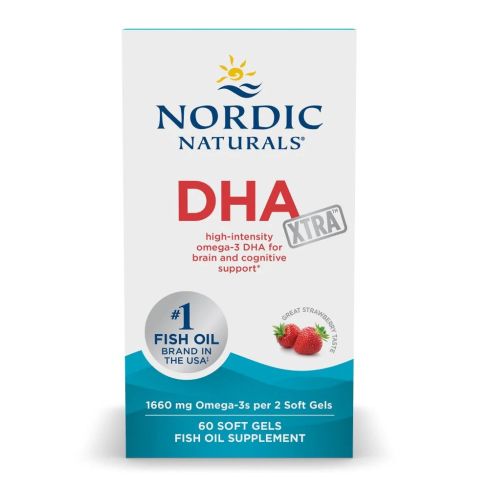
The retina contains some of the highest concentrations of DHA found anywhere in the body. DHA is a major structural component of retinal cell membranes and plays an important role in maintaining healthy visual function.
Rich sources of DHA include oily fish such as sardines, mackerel, herring and salmon, whilst algae derived DHA also provides an excellent source. Given the retina’s extraordinary concentration of this omega-3 fatty acid, ensuring adequate intake may be one of the most important considerations for long-term eye health. For some this may mean supplementation.
The eyes also depend on lutein and zeaxanthin, often referred to as macular pigments. These carotenoids accumulate withing the macula, where they help filter light and provide antioxidant protection. Food sources include dark green leafy greens, orange, yellow and red fruits and veg such as carrots, peppers etc, and egg yolks.
Vitamin A plays an essential role in retinal function, whilst zinc supports numerous visual processes Vitamin C and E contribute the eye’s antioxidant defence systems.
Together, these nutrients (and others), help nourish some of the most energy-demanding tissues in the human body.

Anthocyanins: Nature’s Colourful Eye Protectors
Anthocyanins have been studied for their antioxidant activity, their effects on circulation, health ageing and their potential role in supporting visual function.
This is particularly interesting when we consider some of the challenges facing our eyes today. Oxidative stress, artificial light exposure, blood sugar imbalances and the accumulation of Advanced Glycation End Products (AGEs) are all thought to contribute to the ageing process. Researchers have therefore become increasingly interested in compounds that may help support the body’s natural defences against oxidative damage and inflammation.
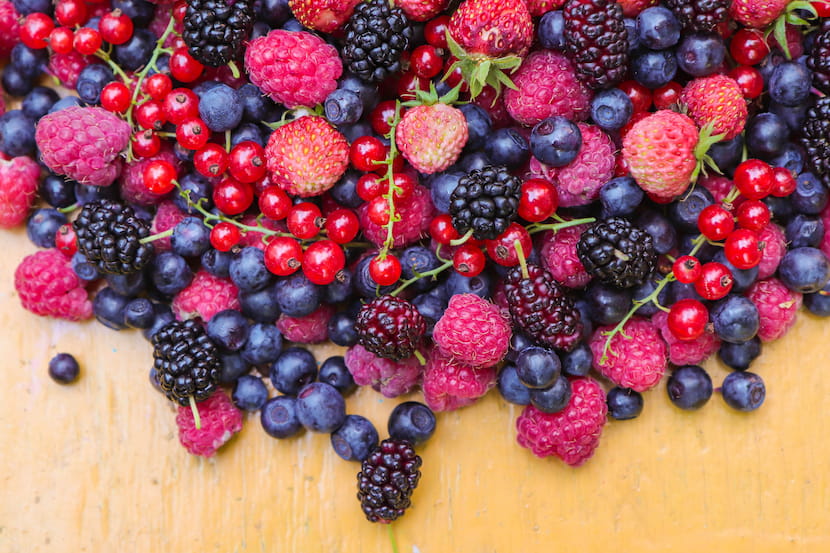
Anthocyanin-rich berries, particularly bilberries and blackcurrants, have attracted attention not only for their potential role in not only for their potential role in eye health, but also for their effects on healthy ageing, circulation and metabolic health. Among the anthocyanin-rich ingredients attracting scientific attention, Medox® stands out because of its extensive history of research.
Why Medox® Is Different
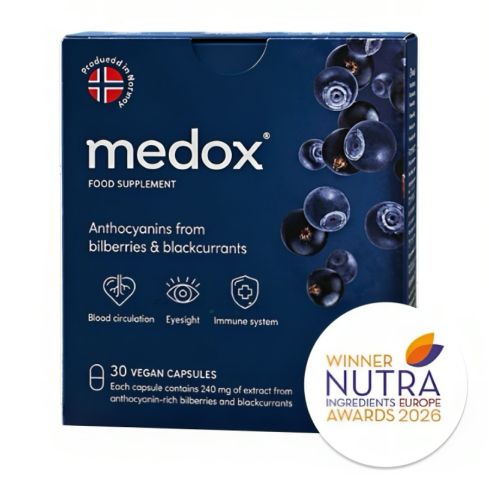
Whilst anthocyanins occur naturally in many deeply coloured fruits and berries., Medox® is sourced specifically from wild Scandinavia blueberries (bilberries) and blackcurrants, providing a concentrated source of these colourful plant compounds.
What makes Medox® particularly unique is that it is one of the most extensively researched anthocyanin ingredients available. In fact, much of the published anthocyanin research has been conducted using Medox® itself, giving it a depth of scientific evidence that few berry extracts can match.
Its long history of scientific investigation was recognised in 2026 when Medox® was awarded product of the year: Healthspan at the prestigious NutraIngredients Europe Awards.
Supporting Your Eyes Every Day
Good eye health is built upon everyday habits.
- Eat a colourful Mediterranean-style diet rich in vegetables, berries and healthy fats
- Include oily fish or other source of omega-3 fats
- Enjoy leafy greens rich in lutein and zeaxanthin
- Stay hydrated
- Limit excess refined carbohydrates, sugar and alcohol
- Prioritise restorative sleep
- Limit screen time, remember to focus on something in the distance regularly when using screens
- Spend adequate time outdoors
Support Healthy Vision with Targeted Nutrition
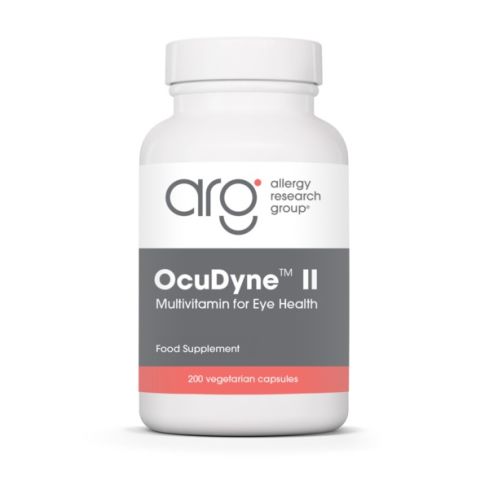
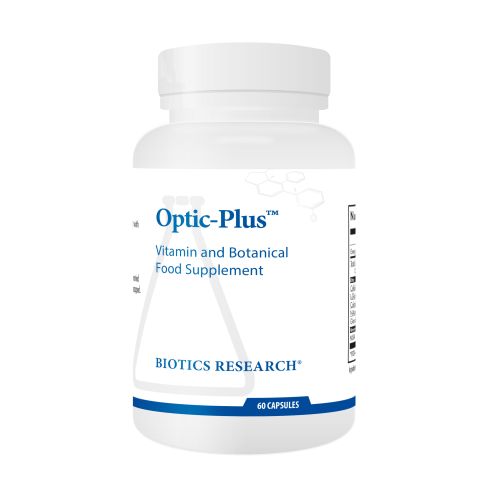
Explore Nutri-Link’s range of carefully selected eye health supplements, featuring key nutrients such as omega-3 fatty acids, lutein, zeaxanthin, vitamins, minerals and antioxidant nutrients.
Looking After Your Vision for the Future
Our eyes help us connect with the world around us. They allow us to appreciate colour landscapes, and countless other visual experiences that enrich everyday life.
While vision is only one way we experience and remember the world, it is nevertheless something many of us value deeply and want to preserve for our lifetime.
Ageing is inevitable, but how we support our eyes over the years may influence how well they continue to serve is in the future.
Like every tissue in the body, our eyes rely on good nutrition, healthy lifestyle habits, natural light and day cycles, sleep and hydration. Supporting them today, may help us continue to enjoy the visual world for years to come.
Key Takeaways
- Eye health changes with age, making good nutrition and healthy lifestyle habits increasingly important for supporting vision throughout life.
- DHA is an important structural component of the retina, highlighting the relevance of omega-3-rich foods within a balanced diet.
- Lutein and zeaxanthin are concentrated in the macula, while colourful plant foods provide a range of carotenoids and antioxidants.
- Oxidative stress and glycation are important considerations in healthy ageing, including research into age-related changes within eye tissues.
- Everyday habits can support healthy vision, including a varied diet, regular screen breaks, adequate hydration, restorative sleep and time outdoors.
Eye Health FAQs
References
Bejarano E, Taylor A. Too Sweet: Problems of Protein Glycation in the Eye. Exp Eye Res. 2019 Jan;178:255-262. doi:10.1016/j.exer.2018.08.017.
Escobar-Cervantes C, Vázquez-Martinez C, Gómez-Senent S, Henriquez-Linares AE, Fasero-Laiz M. Anthocyanin-Rich Extracts from Bilberries and Blackcurrants in Human Health: A Narrative Review of Their Anti-Inflammatory and Antioxidant Effects. J Clin Med. 2026 Mar 9;15(5):2083.
Kandarakis SA, Piperi C, Topouzis F, Papavassiliou AG. Emerging Role of Advanced Glycation End Products (AGEs) in the Pathobiology of Eye Diseases. Prog Retin Eye Res. 2014 Sep;42:85-102.
Nomi Y, Iwasaki-Kurashige K, Matsumoto H. Therapeutic Effects of Anthocyanins for Vision and Eye Health. Molecules. 2019 Sep 11;24(18):3311.
Sharma Y, Saxena S, Mishra A, Saxena A, Natu SM. Advanced Glycation End Products and Diabetic Retinopathy. J Ocul Biol Dis Infor. 2013 Apr 19;5(3-4):63-69.
Singh C. Metabolism and Vascular Retinopathies: Current Perspectives and Future Directions. Diagnostics (Basel). 2022 Apr 5;12(4):903.
Sugasini D, Yalagala PCR, Park JC, Ma G, Farooq Z, Baccouche B, Sawant OB, McAnany JJ, Yao X, Kazlauskas A, Layden BT, Subbaiah PV. Retinal Docosahexaenoic Acid Is Significantly Reduced in Diabetic Humans and Mice: Possible Relationship to Diabetic Retinopathy. Invest Ophthalmol Vis Sci. 2024 Dec 2;65(14):39.
Wu Y, Xie Y, Yuan Y, Xiong R, Hu Y, Ning K, Ha J, Wang W, Han X, He M. The Mediterranean Diet and Age-Related Eye Diseases: A Systematic Review. Nutrients. 2023 Apr 23;15(9):2043.
Zhang Y, Zhang Z, Tu C, Chen X, He R. Advanced Glycation End Products in Disease Development and Potential Interventions. Antioxidants (Basel). 2025 Apr 18;14(4):492.
The content published on the Nutri-Link website is provided for educational and informational purposes only. It is intended to support knowledge and understanding of nutrition, health, and supplementation, but should not be considered medical advice, diagnosis, or treatment. Information contained within this article should not replace the advice, judgement, or recommendations of a qualified healthcare professional. Individuals should always consult an appropriately qualified practitioner regarding any medical condition, health concern, or before making changes to their diet, lifestyle, medication, or supplement regimen. Never disregard professional medical advice or delay seeking medical attention based on information found on this website.


Karen Devine, CNHC Registered Nutritionist and Naturopath, is a Colonic Hydrotherapist and Functional Medicine practitioner (AFMCP). Since 2007, she has provided technical support for Nutri-Link Ltd, advising practitioners and patients on nutritional products. Trained at The Plaskett College, Karen has run her own clinic since 1999 and continues to consult privately. She regularly attends postgraduate seminars to stay current in functional medicine. Karen has appeared on The Spa of Embarrassing Illnesses...
Related Posts


Related Products