



Cardiovascular-Kidney-Metabolic (CKM) Syndrome: A Systems-Based Approach to Heart, Kidney and Metabolic Health
0%
As a healthcare practitioner, you may still be reflecting on the recent shift in thinking around polycystic ovary syndrome (PCOS). Increasingly, clinicians are recognising that this condition extends far beyond the ovaries, prompting some experts to adopt the term polyendocrine metabolic ovarian syndrome (PMOS) to better reflect the interconnected metabolic, endocrine and inflammatory processes involved.
For many working within lifestyle medicine, this broader perspective feels familiar. The links between insulin resistance, inflammation, metabolic dysfunction and reproductive health have long been recognised in clinical practice. What is changing is that medicine is now starting to view these conditions through a wider lens.
A similar shift is now taking place in cardiovascular medicine.
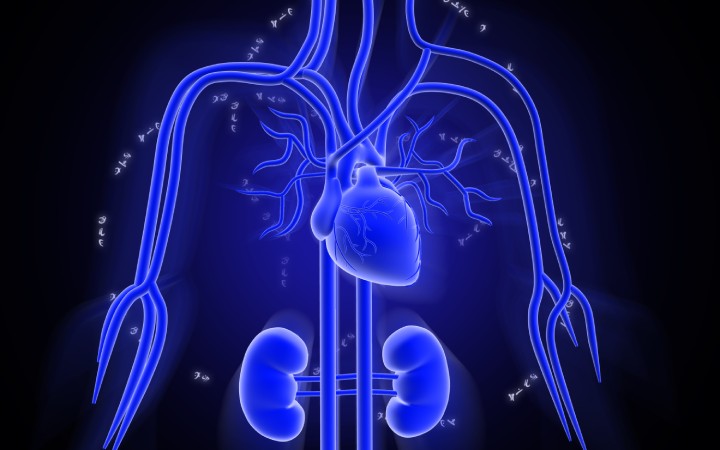
From Separate Diseases to One Interconnected Picture
For decades, cardiovascular disease, chronic kidney disease and metabolic disorders such as obesity and type 2 diabetes have often been viewed and managed as separate clinical entities.
In 2023, the American Heart Association introduced Cardiovascular-Kidney-Metabolic (CKM) syndrome, a framework describing the interplay between metabolic risk factors, kidney function and cardiovascular health.
Importantly, CKM is not a new disease. Rather, it is a way of understanding how these systems may interact through shared risk factors and biological pathways.
This does not mean that everyone with insulin resistance will develop chronic kidney disease or cardiovascular disease, nor that every individual with kidney disease has metabolic dysfunction. Shared biology does not mean shared destiny.
Instead, CKM encourages us to recognise that cardiovascular, kidney and metabolic health often influence one another and may be more meaningfully understood when considered together rather than isolation.
The CKM model also introduces a continuum ranging from excess or dysfunctional adiposity and metabolic risk factors through to subclinical and eventually clinical cardiovascular disease. This shifts attention towards earlier identification of risk rather than waiting until disease becomes established.
Looking Beyond Traditional Cardiovascular Risk Factors
Cardiovascular risk has traditionally been viewed through the lens of cholesterol, blood pressure and arterial function. Whilst these remain important, the CKM framework encourages us to consider the broader context.
Factors such as insulin resistance, visceral adiposity, inflammation, metabolic dysfunction and kidney health may all contribute to an individual’s overall risk profile.
For practitioners, the significance of CKM lies less in creating a new label and more in encouraging a more integrated view of health.
The Common Threads Linking Heart, Kidney and Metabolic Health
The CKM literature highlights several mechanisms that may help explain the links between cardiovascular, kidney and metabolic health.
These include –
- Chronic low-grade inflammation
- Oxidative stress
- Insulin resistance
- Adipose tissue dysfunction
- Endothelial dysfunction
- Altered metabolic regulation
Inflammation is highlighted in the literature, although it should not be viewed as the sole driver of CKM syndrome. Rather, it appears to be one of several interacting biological processes that may contribute to long-term risk.
The research has also generated interest in emerging biomarkers that may help identify interconnected risks earlier. For example, serum uric acid has been highlighted as a potential marker of interest because of its association with metabolic, kidney and cardiovascular health. However, such biomarkers remain areas of ongoing investigation rather than components of a routine CKM screening panel.
Insulin Resistance as One Part of the Picture
Insulin resistance is recognised as an important metabolic risk factor within the CKM framework.
It can precede type 2 diabetes by many years and may influence glucose regulation, lipid metabolism blood pressure and inflammatory pathways. However, insulin resistance should not be viewed as a universal starting point or a predictor of inevitable disease progression.
Within CKM, it is best understood as one contributor to a wider cardiometabolic risk profile.
Want to explore metabolic health in greater depth?
Build on the concepts discussed in this article with expert-led practitioner education exploring metabolic health, clinical insights and practical considerations for nutritional practice.

Visceral Adiposity: More Than Energy Storage
One of the most important developments in modern medicine has been the recognition that adipose tissue is metabolically active.
Rather than serving solely as a storage depot for excess energy, adipose tissue functions as an endocrine organ capable of producing hormones, adipokines and signalling molecules that influence physiology throughout the body.
The CKM framework recognises excess or dysfunctional adiposity as an important early component of the continuum because of its potential influence on inflammation, metabolic regulation and vascular health.
However, adiposity alone does not determine an individual’s future health trajectory. It is one factor among many within a complex and highly individual picture.
Inflammation, Oxidative Stress and Ageing
The concept of inflammaging describes the chronic low-grade inflammatory state associated with ageing.
Whilst ageing may influence vascular and metabolic function, its effects vary considerably between individuals. Genetics, lifestyle, nutrition, physical activity and environmental influences all contribute to how people age and how risk develops over time.
Inflammaging may therefore be viewed as one contributor to cardiometabolic risk rather than a direct predictor of cardiovascular, kidney or metabolic disease.
The Vascular Connection
The vascular system provides an important link between the cardiovascular, kidney and metabolic components of CKM.
The endothelium, the single layer of cells lining blood vessels, plays a central role in regulating vascular tone and blood flow. Disturbances in endothelial function have been linked with inflammation, oxidative stress and metabolic dysfunction, helping to explain why cardiovascular, kidney and metabolic health are often discussed together within the CKM framework.
Supporting Cardiovascular, Kidney and Metabolic Health in Practice
For many practitioners CKM syndrome may not introduce an entirely new concept. Rather, it provides a framework that reflects the interconnected nature of cardiovascular, metabolic and renal health.
For lifestyle medicine practitioners, the value of the framework lies less in managing disease directly and more in recognising the factors that may contribute to overall cardiometabolic health.
These may include –
- Insulin resistance
- Excess or dysfunctional adiposity
- Chronic low-grade inflammation
- Poor metabolic flexibility
- Sedentary behaviour
- Muscle loss and physical inactivity
- Sleep and lifestyle factors
- Dietary patterns that influence metabolic health
These are often areas where nutritional and lifestyle interventions may play a supportive role.
Importantly, the role of lifestyle-focused practitioners it is not to diagnose or treat chronic kidney disease, cardiovascular disease or diabetes. Rather, it is to continue to support modifiable lifestyle factors, recognise patterns that may indicate broader cardiometabolic risk, and work collaboratively with other healthcare professionals where appropriate.
Dietary Practice Within a CKM-Informed Lens
The CKM framework does not prescribe a specific dietary pattern. However, many of the pathways discussed within the CKM-related research, including inflammation, oxidative stress, endothelial function and metabolic regulation, are known to be influenced by dietary quality.
For many practitioners, this reinforces the value of focusing on dietary patterns rather than individual nutrients in isolation.
Dietary approaches like a Mediterranean-style pattern, rich in vegetables, legumes, extra virgin olive oil, nuts, seeds and oily fish, naturally provide nutrients and phytonutrients that support many of the pathways increasingly discussed within cardiovascular, kidney and metabolic health research.
Sleep, physical activity and hydration are also important factors. Together, these lifestyle factors influence many of the same biological pathways discussed within the CKM framework, including metabolic flexibility, vascular function and overall cardiometabolic resilience.
Key nutrients that have been researched for their role in the pathways highlighted within the CKM framework include –
- Taurine
- Omega-3 fatty acids
- Magnesium
- CoQ10
- Curcumin
- Resveratrol
- Epigallocatechin gallate (EGCG) and other polyphenol-rich plant compounds
Explore Nutritional Support for Heart Health
From omega-3 fatty acids to targeted nutritional formulas, explore our practitioner-focused range of supplements for supporting cardiovascular health.
These nutrients (and others) are often discussed in relation to inflammatory balance, endothelial function, metabolic health, mitochondrial function and cardiovascular support. Polyphenols such as resveratrol and EGCG, the major catechin found in green tea, have anti-inflammatory, antioxidant and vascular-supportive properties.
Resveratrol has been investigated for its potential effects on cardiovascular health, oxidative stress and inflammation, whilst EGCG has been studied for its influence on endothelial function, metabolic regulation and cardiometabolic health.

A New Lens on Chronic Disease
For those working within lifestyle medicine, the CKM framework is unlikely to feel revolutionary. Rather, it reflects a growing recognition that cardiovascular, kidney and metabolic health do not exist in isolation.
The value of the CKM framework is not that it predicts a fixed path to disease, but that it encourages a broader view of risk and a more integrated conversation about health. By recognising shared pathways, practitioners and healthcare teams may be better positioned to identify risks earlier and support long-term health more effectively.
Perhaps the greatest contribution of CKM is that it shifts attention upstream. Rather than focusing solely on established cardiovascular disease, the framework encourages greater attention to the metabolic, lifestyle and physiological factors that may contribute to risk many years before clinical disease develops. In this way, CKM supports a stronger emphasis on prevention, early identification of risk and coordinated care across cardiovascular, kidney and metabolic health.
Factors that may contribute to CKM risk include:
- Insulin resistance
- Visceral adiposity
- High blood pressure
- Abnormal blood lipids
- Chronic low-grade inflammation
- Oxidative stress
- Endothelial dysfunction
- Physical inactivity
- Poor dietary quality
- Reduced kidney function
Key Takeaways
- CKM syndrome connects cardiovascular, kidney and metabolic health, recognising that these systems can influence one another through shared biological pathways.
- Insulin resistance, visceral adiposity, inflammation and oxidative stress may all contribute to an individual’s wider cardiometabolic risk profile.
- Cardiovascular risk extends beyond cholesterol and blood pressure, with kidney function, metabolic health and endothelial function also forming part of the CKM picture.
- Nutrition, physical activity, sleep and other lifestyle factors can support cardiovascular and metabolic health and are important considerations within a CKM-informed approach.
- The CKM framework encourages earlier identification of risk, supporting a more integrated, preventative approach to long-term cardiovascular, kidney and metabolic health.
Frequently Asked Questions
References
Ferrucci L, Fabbri E. Inflammageing: chronic inflammation in ageing, cardiovascular disease, and frailty. Nature Reviews Cardiology. 2018;15(9):505-522.
Ferdinand KC. Cardiovascular-Kidney-Metabolic Syndrome: A New Paradigm for Cardiovascular Prevention. American Journal of Preventive Cardiology. 2024.
Gal R, Deres L, Toth K, Halmosi R, Habon T. The Effect of Resveratrol on the Cardiovascular System from Molecular Mechanisms to Clinical Results. International Journal of Molecular Sciences. 2021;22(18):10152.
Godos J, Romano GL, Gozzo L, et al. Resveratrol and vascular health: evidence from clinical studies and mechanisms of actions related to its metabolites produced by gut microbiota. Frontiers in Pharmacology. 2024;15:1368949.
Kittelson KS, Junior AG, Fillmore N, da Silva Gomes R. Cardiovascular-kidney-metabolic syndrome: an integrative review. Progress in Cardiovascular Diseases. 2024;87:26-36.
Maloberti A, Giannattasio C, Bombelli M, et al. Serum Uric Acid and Cardiovascular-Kidney-Metabolic Health. Nutrients. 2023.
Ndumele CE, Neeland IJ, Tuttle KR, et al. A Synopsis of the Evidence for the Science and Clinical Management of Cardiovascular-Kidney-Metabolic (CKM) Syndrome: A Scientific Advisory From the American Heart Association. Circulation. 2023.
Rumrill JA, Shlipak MG. The New Cardiovascular-Kidney-Metabolic (CKM) Syndrome: An Opportunity for CKD Detection and Treatment in Primary Care. American Journal of Kidney Diseases. 2024.
Scurt FG, Blankestijn PJ, Caprio M, et al. Cardiovascular-Kidney-Metabolic Syndrome and the Role of Adipose Tissue Dysfunction. Clinical Kidney Journal. 2023.
Shi M, Bai Y, et al. Associations Between Dietary Inflammatory Index and Cardiovascular-Kidney-Metabolic Syndrome: Insights from NHANES 2005-2018.
Wang Y, Zhang X, Li H, et al. Endothelial Dysfunction in Cardiovascular-Kidney-Metabolic Syndrome. Frontiers in Cardiovascular Medicine. 2024.
Widlansky ME, Hamburg NM, Anter E, Holbrook M, Kahn DF, Elliott JG, Keaney JF Jr, Vita JA. Acute EGCG supplementation reverses endothelial dysfunction in patients with coronary artery disease. Journal of the American College of Nutrition. 2007;26(2):95-102.
The content published on the Nutri-Link website is provided for educational and informational purposes only. It is intended to support knowledge and understanding of nutrition, health, and supplementation, but should not be considered medical advice, diagnosis, or treatment. Information contained within this article should not replace the advice, judgement, or recommendations of a qualified healthcare professional. Individuals should always consult an appropriately qualified practitioner regarding any medical condition, health concern, or before making changes to their diet, lifestyle, medication, or supplement regimen. Never disregard professional medical advice or delay seeking medical attention based on information found on this website.


Karen Devine, CNHC Registered Nutritionist and Naturopath, is a Colonic Hydrotherapist and Functional Medicine practitioner (AFMCP). Since 2007, she has provided technical support for Nutri-Link Ltd, advising practitioners and patients on nutritional products. Trained at The Plaskett College, Karen has run her own clinic since 1999 and continues to consult privately. She regularly attends postgraduate seminars to stay current in functional medicine. Karen has appeared on The Spa of Embarrassing Illnesses...
Related Posts


Related Products


