Could Caricol® Gastro Support Reflux Symptoms During a Clinically Supervised Reduction in PPI Use?
0%
In the past decade, I’ve witnessed an increasing number of clients taking PPIs and then having difficulty in stopping them. They were originally intended for short term use only, but now I have clients who have been on these drugs for years. Therefore, any natural remedy which can support the process of coming off PPIs with the least amount of symptoms and rebound acid reflux episodes is very welcome.
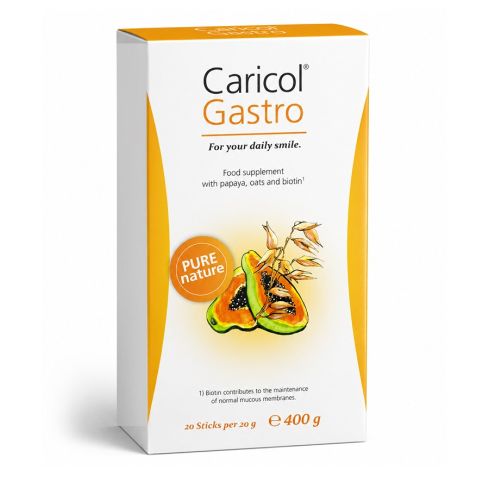
Not just in the UK but in many countries, interest in appropriate proton pump inhibitor (PPI) use continues to grow. While PPIs remain highly effective and clinically essential for many acid-related disorders, healthcare professionals are increasingly reviewing long-term use and considering step-down strategies where clinically appropriate. A recently published pilot study evaluated whether Caricol® Gastro, a patented papaya-oat food supplement, could serve as a supportive nutritional intervention during a structured transition away from PPI therapy in adults with mild-to-moderate reflux and heartburn.
The study enrolled 39 adults aged 18 to 75 years who underwent a protocol-defined PPI treatment phase, followed by PPI discontinuation and five weeks of Caricol® Gastro supplementation. All participants completed the study, adherence exceeded 93%, and no participant required protocol-permitted reinitiation of PPI therapy during the supplementation phase due to worsening symptoms. In itself this represents quite a remarkable outcome.
Looking Beyond Acid Alone
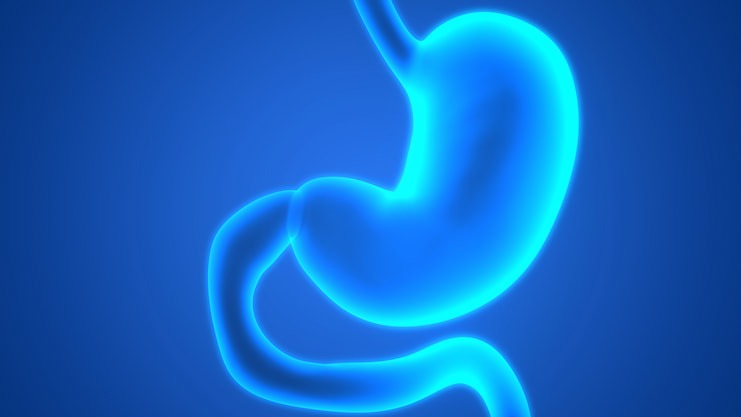
For decades, reflux management has focused primarily on reducing gastric acid production. However, our understanding of gastro-oesophageal reflux disease (GERD) has evolved considerably. Emerging evidence suggests that symptom generation may involve not only acid exposure but also impaired mucosal integrity, inflammation, epithelial permeability, visceral hypersensitivity and exposure to non-acid reflux components.
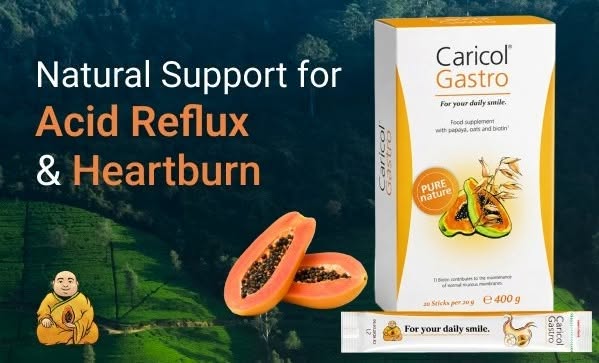
This is where Caricol® Gastro offers an interestingly different approach. Unlike PPIs, which suppress acid secretion, Caricol® Gastro is a mucoadhesive papaya-oat preparation designed to form a gel-like protective layer over the gastric mucosa. Previous laboratory investigations have demonstrated prolonged adhesion to gastric tissue and potential mucosal-protective properties. It is referred to as a “stomach ointment”.
What Were the Clinical Findings?
Although the study was designed primarily to assess feasibility rather than efficacy, the patient-reported outcomes were noteworthy.
Following five weeks of supplementation:
- Total symptom scores fell from 37.4 to 24.9, representing an approximate 35% reduction.
- Overall symptom severity decreased by 58.7%.
- Daily life impact decreased by 57.8%.
- Improvements were observed across all 15 symptom domains assessed, including heartburn, acid regurgitation, upper abdominal pain, throat clearing, chronic cough, burning throat sensation and nocturnal symptoms.
Potential Relevance for Personalised Reflux Care
A particularly interesting aspect of the findings was the improvement in several extra-oesophageal symptoms, including chronic cough, throat clearing, dysphagia and morning hoarseness. These symptoms are frequently encountered in clinical practice yet are often only partially explained by acid exposure alone.
From a personalised medicine perspective, barrier-support strategies may merit consideration in selected patients whose symptom profile extends beyond classic heartburn. The papaya component contains naturally occurring bioactive compounds, while oat-derived beta-glucans have been investigated for their potential role in supporting mucosal barrier function.
This aligns with a broader trend towards integrated reflux management, combining appropriate pharmacological therapy, lifestyle modification, nutritional support and patient engagement rather than relying exclusively on acid suppression.
Bear in mind that this is a pilot study, and the authors are careful to emphasise that these findings should not be interpreted as evidence that Caricol® Gastro can replace PPI therapy. Nor should the symptom improvements be regarded as proof of clinical efficacy. However, the study demonstrates excellent adherence, strong patient acceptability, and promising exploratory symptom outcomes, justifying larger randomised controlled trials.
The results of the pilot study also match the experience of the handful of my clients who have taken Caricol® Gastro for a similar time period.
The Practitioner Takeaway
For healthcare practitioners, this study matters not because it replaces established pharmacological therapy, but because it explores whether supportive nutritional interventions can play a role in selected patients undergoing clinically supervised PPI reduction or discontinuation.
As reflux management continues to evolve towards a more predictive, preventive, personalised and participatory model of care, Caricol® Gastro may represent an interesting addition to the practitioner toolkit.
Supporting patients with reflux? Explore our Digestive Health range, including Caricol® Gastro, formulated to support gastrointestinal comfort and mucosal barrier function as part of a personalised approach to digestive wellbeing.
Why Do Reflux and Heartburn Occur? Common Contributing Factors Include:
- Excess abdominal weight
- Poor meal timing and late-night eating
- Fatty or trigger foods
- Alcohol and caffeine intake
- Stress and lifestyle factors
- Hiatus hernia
- Pregnancy
- Certain medications
- Impaired stomach and oesophageal barrier function
- Acid and non-acid reflux exposure
Key Takeaways
- Caricol® Gastro may help support adults transitioning away from long-term PPI use under professional supervision.
- Supporting gastric mucosal barrier function may be an important consideration in modern reflux management.
- Pilot study findings showed reductions in reflux symptoms, symptom severity and day-to-day impact.
- Benefits were reported across both typical reflux symptoms and extra-oesophageal symptoms such as throat clearing and chronic cough.
- Integrating nutritional support, lifestyle measures and personalised care may enhance outcomes for individuals with reflux and heartburn.
FAQs
When PPIs are reduced or discontinued, some individuals may experience a temporary return of reflux symptoms, including heartburn or acid regurgitation. This is sometimes referred to as rebound acid hypersecretion. Symptom severity and duration can vary between individuals, and any changes to medication should be discussed with a healthcare professional.
Some people may notice an increase in reflux symptoms after stopping PPIs, particularly if they have been taking them for an extended period. This does not necessarily mean the underlying condition has worsened, but it may reflect the body's adjustment to changes in acid regulation. A gradual reduction strategy may be considered by the supervising healthcare practitioner where appropriate.
Patients should only reduce or discontinue PPIs under the guidance of their GP, pharmacist, or healthcare practitioner. Depending on the individual case, healthcare professionals may recommend a gradual step-down approach, alongside dietary and lifestyle measures such as weight management, meal timing adjustments, reducing trigger foods, and elevating the head of the bed where appropriate.
Management approaches vary according to individual needs and should be guided by a healthcare professional. Alongside medication review, practitioners may consider factors such as dietary habits, body weight, eating patterns, stress management, and nutritional support. Emerging research is also exploring the role of mucosal barrier-support strategies, although further studies are needed before definitive conclusions can be drawn.
Nutritional support may form part of a broader reflux management plan when used alongside appropriate medical supervision and lifestyle measures. Preliminary research has investigated products such as Caricol® Gastro during a clinically supervised transition away from PPIs, with encouraging findings regarding acceptability and symptom reporting. However, larger clinical trials are required, and food supplements should not be regarded as a replacement for prescribed treatment.
Important: Individuals should not stop or alter prescribed medication without consulting their healthcare professional. The suitability of any reflux management strategy will depend on personal circumstances and medical history.
References
Stoev S, Yanachkova V, Lebanova H, Petkova-Gueorguieva E, Gueorguiev S, Koynarski V. Feasibility of Transitioning Adults with Mild-to-Moderate Reflux from Proton Pump Inhibitors to a Patented Papaya–Oat Food Supplement: A Single-Arm Pilot Study. Gastrointestinal Disorders. 2026; 8(3):55. https://doi.org/10.3390/gidisord8030055
Weiser FA, Fangl M, Mosgoeller W. Supplementation of Caricol®-Gastro reduces chronic gastritis disease associated pain. Neuro Endocrinol Lett. 2018;39(1):19-25. https://pubmed.ncbi.nlm.nih.gov/29604620/
Muss C, Mosgoeller W, Endler T. Papaya preparation (Caricol®) in digestive disorders. Neuro Endocrinol Lett. 2013;34(1):38-46. https://pubmed.ncbi.nlm.nih.gov/23524622/


Antony Haynes, BA(Hons), mBANT, mCNHC, is a Registered Nutritionist and co-founder of Nutri-Link Ltd. With over 34 years in private practice and 19,000+ patients supported, he leads Nutri-Link’s technical services and practitioner education. Antony manages the Clinical Education Forum and presents webinars and seminars nationwide. He’s an award-winning author of The Insulin Factor and The Food Intolerance Bible, and a respected lecturer in nutritional therapy. Trained at ION, he’s registered...
Related Posts