Understanding POTS: Symptoms, Causes and Nutritional Support Strategies
0%
Postural Orthostatic Tachycardia Syndrome or POTS as it is known is a syndrome (not a disease) involving the autonomic nervous system. Most of us stand up without thinking about it, our nervous system quietly adjusts our blood vessels, heart rate and blood pressure to ensure blood reaches the brain. But, for someone with POTS this simple change of posture can trigger a whole cascade of symptoms.
POTS is a form of dysautonomia, meaning there is a dysfunction within the autonomic nervous system, the system responsible for regulating heart rate, blood pressure, digestion, temperature control and many other bodily function. When someone with POTS moves from sitting or lying down to standing, their heart rate rises excessively, often accompanied by symptoms such as dizziness, fatigue, palpitations and brain fog.
POTS is more commonly diagnosed in women, particularly during adolescence and early adulthood. Recent reviews suggest women may account for up to 80-90% of cases with hormonal shifts, blood volume and autoimmune susceptibility as possible drivers.
POTS, More Than Just Dizziness
While dizziness is one of the hallmark symptoms, POTS is a complex, multi-system condition that can affect almost every aspect of daily life. Common symptoms include:
- Fatigue and exhaustion
- Rapid heart rate when standing
- Heart palpitations
- Brain fog and poor concentration
- Sleep disturbances
- Anxiety
- Migraines
- Exercise intolerance
- Nausea and digestive problems
- Feeling faint or fainting
Many individuals find that standing for prolong periods, taking a hot shower, climbing stairs, shopping or even carrying our basic household chores can trigger their symptoms.
What Causes POTS?
There is no single cause of POTS. Instead, it appears to be a complex condition that can arise from a combination of factors affecting the immune, nervous, endocrine and connective tissue systems.
Interestingly, studies show that there was a significant increase in the incidence of POTS following the COVID-19 pandemic, suggesting a potential link between COVID-19 infection and the development of post-viral POTS.
Prior to the COVID-19 pandemic, POTS was estimated to affect between 1 and 3 million Americans, along with millions of others around the world. However, recognition of the condition has increased dramatically over recent years. Experts now believe that the number of people living with POTS has doubled since the start of the COVID-19 pandemic, highlighting the strong connection between viral infections and autonomic dysfunction.
Other potential underlying contributors include –
- Post-viral illness (such as COVID-19), Epstein-Barr virus, influenza and Lyme disease
- Mast Cell Activation Syndrome (MCAS)
- Autoimmune dysfunction
- HPA axis dysregulation and altered stress responses
- Hypermobility syndromes and Ehlers-Danlos Syndrome
- Mitochondrial and cellular energy dysfunction.
These factors may ultimately affect how the autonomic nervous system regulates circulation, leading to the characteristic symptoms of POTS.
The Gut-POTS Connection
Digestive symptoms are also common symptoms in POTS. Bloating, nausea, constipation, diarrhoea, post-meal fullness (postprandial fullness) and abdominal discomfort can all have a negative impact on quality of life.
The autonomic nervous system regulates digestion therefore, disturbances in autonomic function can affect how food moves through the digestive tract affecting gut motility that leads to the commonly reported symptoms. Studies show that around 60% of individuals with POTS report gastrointestinal symptoms, with nausea being the most common
With such a complex multi-system condition it can be difficult to know where to look or even start to support these symptoms. Alongside conventional care, there are several diet and lifestyle strategies that may support individuals to help improve resilience and reduce the symptom burden that affects their everyday life.

Supporting POTS Naturally
While there is no one-size-fits-all approach, addressing the underlying drivers and supporting key areas such as hydration, blood sugar balance, nutrient status, digestion, mitochondrial function and nervous system regulation may help improve day-to-day wellbeing and symptom management.
Hydration and Electrolytes
Adequate hydration is one of the cornerstones of POTS management. Many individuals with POTS have lower blood volume, and increasing fluid intake may help support circulation and reduce symptoms. Electrolytes and appropriate sodium intake (www.potsuk.org) can also be beneficial for some individuals under appropriate guidance.
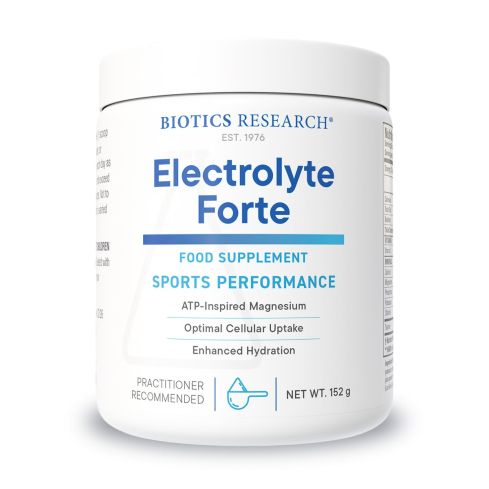
Hydration is a key consideration for many individuals living with POTS. Alongside a balanced diet and personalised healthcare guidance, maintaining fluid and electrolyte intake may support daily wellbeing.
Explore Nutri-Link's Electrolyte Support range, including Electrolyte Forte, developed to help support hydration and electrolyte balance.
Blood Sugar Balance
Supporting stable blood glucose levels may help reduce symptom fluctuations. A diet based around protein-rich foods, health fats, fibre and complex carbohydrates may provide more stable energy throughout the day compared to highly refined carbohydrates. For some, a good multi-vitamin supplement can help initially to support healthy glycaemic function.
Digestive Health and Gut Function
Supporting digestive function may involve addressing factors such as –
- Stomach acid production
- Digestive enzyme activity
- Bile production and flow
- Bowel motility
- Fibre intake
- Gut microbial balance
- Mucosal health and immune function
Improving digestive function may enhance nutrient absorption and support over all health as there are numerous nutrient insufficiencies that can occur when digestive symptoms are present or food intake is reduced, particularly –
- Vitamin B12
- Folate
- Vitamin B6
- Iron status
- Vitamin D
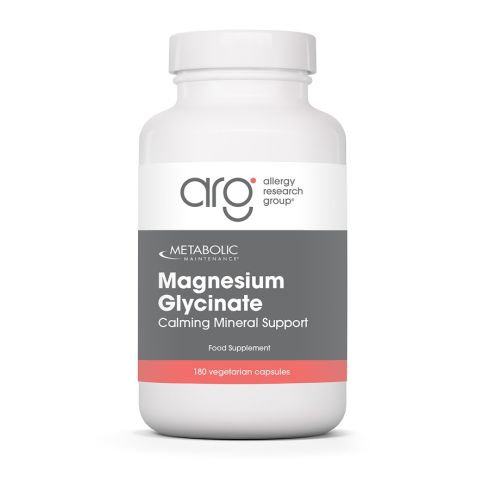
- Magnesium
Mast Cell and Histamine Support
Mast Cell Activation Syndrome (MCAS) frequently overlaps with POTS and may contribute to flushing, itching, palpitations, digestive symptoms and food sensitivities.
Where appropriate, supportive nutrients may include –
- Vitamin C
- Vitamin D
- Magnesium
- Zinc
- Quercetin
- Methylation-supportive B vitamins
Some individuals may also benefit from identifying high-histamine foods or other triggers, although this approach should always be personalised.
Supporting Mitochondrial Function and Energy Production
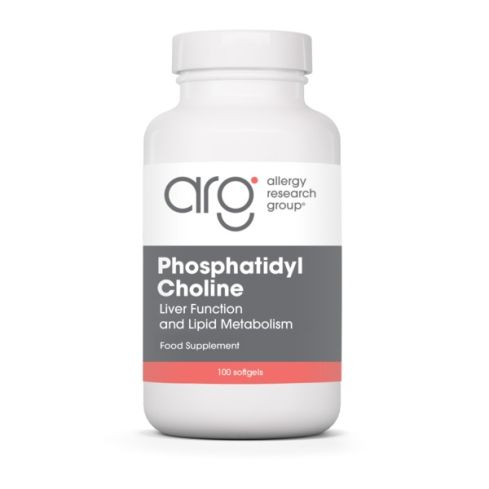
Fatigue and exercise intolerance are among the most common and debilitating symptoms experienced by individuals with POTS. Emerging research has highlighted potential abnormalities in phospholipid metabolism, choline transport and mitochondrial function.
Supporting cellular energy production through a nutrient-dense diet may therefore be an important consideration. Foods rich in choline, inducing eggs, fish, poultry and liver, may help support cell membrane health and mitochondrial function.
Movement and Exercise
Exercise intolerance can make activity challenging, yet carefully structured exercise can be an effective long-term strategy for improving function. Activities such as rowing, swimming and cycling are often recommended as starting points because they minimise symptoms associated with standing.
Gradually increasing activity levels, as tolerated, may help improve cardiovascular conditioning, blood volume and overall resilience.
Supporting the Nervous System
The autonomic nervous system is closely linked to the body’s stress-response systems. Strategies that support nervous system regulation may therefore be helpful –
- Prioritising sleep
- Managing stress
- Relaxation techniques
- Breathing exercises
- Pacing activities – balancing activity with rest
- Building physical and emotional resilience
Final Thoughts
As our understanding of POTS continues to evolve, it is becoming clear that this is a complex, multi-systems condition requiring an individualised approach. By addressing potential underlying key drivers and supporting overall autonomic health, individuals with the help of health care practitioners may help to better manage their symptoms and regain confidence in their everyday activities.
Common Factors Associated with POTS
Post-viral illness (including COVID-19)
Autoimmune dysfunction
Mast Cell Activation Syndrome (MCAS)
Hypermobility and Ehlers-Danlos Syndrome
Hormonal influences
Blood volume abnormalities
Stress-response dysregulation
Mitochondrial and energy-production challenges
Nervous system dysfunction
Digestive and gut health disturbances
Key Takeaways at a Glance
- POTS affects the autonomic nervous system and circulation.
- Symptoms can extend beyond dizziness to include fatigue, brain fog and digestive issues.
- Post-viral illness, including COVID-19, is increasingly linked to POTS development.
- Hydration, electrolytes and nutritional support may help support wellbeing.
- Gut health, nervous system regulation and lifestyle interventions are important considerations.
POTS FAQ’s
References
Coupal KE, Heeney ND, Hockin BCD, Ronsley R, Armstrong K, Sanatani S, Claydon VE. Pubertal Hormonal Changes and the Autonomic Nervous System: Potential Role in Pediatric Orthostatic Intolerance. Front Neurosci. 2019 Nov 12;13:1197.
Kokorelis C, Malone L, Byrne K, Morrow A, Rowe PC. Onset of Postural Orthostatic Tachycardia Syndrome (POTS) Following COVID-19 Infection: A Pediatric Case Report. Clin Pediatr (Phila). 2023 Feb;62(2):92-95.
Dulal D, Maraey A, Elsharnoby H, Chacko P, Grubb B. Impact of COVID-19 pandemic on the incidence and prevalence of postural orthostatic tachycardia syndrome. Eur Heart J Qual Care Clin Outcomes. 2025 Aug 11;11(5):698-704.
Kulin D, Shah A, Fairlie T, Staller K, Nurko S, Keefer L, Aziz Q, Drossman DA, Jones MP, Holtmann G. Gastrointestinal Symptoms and Systemic Comorbidities in Patients With POTS: A Systematic Review and Meta-Analysis. Neurogastroenterol Motil. 2026 Apr;38(4):e70305.
Kulin D, Shah A, Fairlie T, Staller K, Nurko S, Keefer L, Aziz Q, Drossman DA, Jones MP, Holtmann G. Gastrointestinal Symptoms and Systemic Comorbidities in Patients With POTS: A Systematic Review and Meta-Analysis. Neurogastroenterol Motil. 2026 Apr;38(4):e70305.
Schenkel LC, Singh RK, Michel V, Zeisel SH, da Costa KA, Johnson AR, Mudd HS, Bakovic M. Mechanism of choline deficiency and membrane alteration in postural orthostatic tachycardia syndrome primary skin fibroblasts. FASEB J. 2015 May;29(5):1663-75.
Are you a practitioner or student looking to deepen your understanding of Postural Orthostatic Tachycardia Syndrome (POTS)?
Practitioners and students registered with Nutri-Link can book our expert-led webinars for free before they go live. After the event, a charge will apply to access the recording.
Create your free practitioner account now - Practitioner Registration | Nutri-Link UK


Karen Devine, CNHC Registered Nutritionist and Naturopath, is a Colonic Hydrotherapist and Functional Medicine practitioner (AFMCP). Since 2007, she has provided technical support for Nutri-Link Ltd, advising practitioners and patients on nutritional products. Trained at The Plaskett College, Karen has run her own clinic since 1999 and continues to consult privately. She regularly attends postgraduate seminars to stay current in functional medicine. Karen has appeared on The Spa of Embarrassing Illnesses...
Related Posts
Related Products