How Chronic Stress Disrupts Cortisol, Immunity & Energy And How to Restore Balance Naturally
0%
Stress is often thought of as something that comes purely from a busy lifestyle, emotional pressure, or mental overload. While these are common triggers, stress on the body is far broader than emotional strain alone. The nervous system responds to many different challenges as stress, including psychological trauma, unresolved emotional experiences, acute or chronic infections, inflammation, blood sugar instability, poor sleep, over exercising, nutritional deficiencies, environmental exposures and lack of regular daylight or sunlight exposure with, excess of unnatural light.
From a biological perspective, light is one of the most powerful regulators of the body’s internal clock. Insufficient exposure to natural daylight, particularly in the morning, can disrupt circadian rhythm, alter cortisol release, impair sleep quality, and place additional strain on the nervous and immune systems. For people spending most of their time indoors, working long hours, or living in low light environments, this lack of daylight can become a significant hidden stressor.
Whether the trigger is emotional stress, past trauma, a lingering infection, or disrupted light exposure, the brain processes these signals through the same stress pathways. When stressors are frequent or unresolved, the body can remain in a prolonged state of alert, placing strain on hormonal balance, immune resilience, and energy regulation.
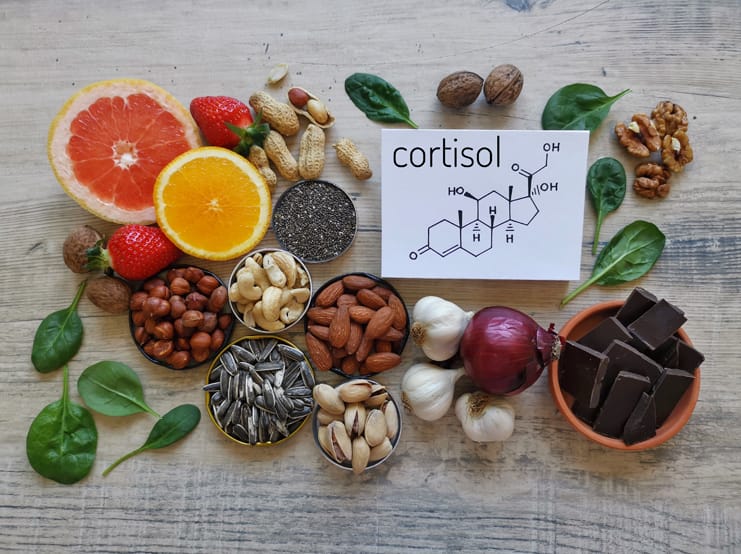
Central to this response is cortisol, often referred to as the body’s primary stress hormone.
This stress awareness month, we wanted to shine a light on how stress can affect the body and suggestions on how to prevent naturally.
What is Cortisol and why does it matter?
Cortisol is a hormone produced by the adrenal glands, which sit just above the kidneys. It plays a vital role in regulating metabolism, blood sugar, inflammation, immune function, and the sleep-wake cycle. Under normal circumstances, cortisol follows a daily rhythm, it rises in the morning to helps us wake up and gradually falls throughout the day to allow rest and recovery at night.
When we experience stress, whether physical, emotional or psychological, the brain activates the hypothalamic-pituitary-adrenal (HPA) axis. This system signals the adrenal glands to release cortisol and adrenaline, preparing the body for a fight or flight response. In the short term, this response is protective and adaptive.
Problems arise when stress becomes chronic.
How stress affects the body over time
When cortisol levels remain elevated for long periods, they body struggles to return to balance. Chronic stress can gradually affect almost every system in the body.
Metabolism and weight regulation may shift, as cortisol encourages the release of glucose into the bloodstream. Over time, this can contribute to insulin resistance and increased fat storage, particularly around the abdomen.
The immune system may become suppressed, leaving the body more vulnerable to infections and slower healing. At the same time, persistent inflammation may increase, contributing to aches, pains, and long-term health concerns.
Brain health and mood are also affected. Research shows that prolonged exposure to high cortisol can impact memory, emotional regulation, and concentration. Many people under chronic stress report anxiety, irritability, low mood, or mental fatigue.
Sleep patterns often suffer as well. Elevated evening cortisol can make it difficult to fall asleep or stay asleep, creating a cycle where poor rest further worsens stress and hormonal imbalance.
All of this can lead to a state lingering fatigue where sleep just does feel refreshing anymore and the body can feel heavy with low mood and more.
Adrenal fatigue: What does the term really mean?
The phrase ‘adrenal fatigue’ is commonly used in wellness conversations to describe ongoing tiredness, low resilience to stress, brain fog, and a sense of being ‘burnt out’. It is important to note that adrenal fatigue is not a recognised medical diagnosis in conventional medicine.
However, many practitioners use the term describe dysregulation of the stress response system, particularly involving cortisol rhythms and the HPA axis. In other words, while the adrenal glands themselves may not be ‘failing’, chronic stress can disrupt how the body produces and responds to stress hormones.
Signs your stress response may be out of balance
Although symptoms vary from person to person, ongoing stress and cortisol imbalance are often associated with:
- Persistent fatigue, even after sleep
- Difficulty coping with everyday stressors
- Cravings for sugar, caffeine, or salty foods
- Sleep disturbances or unrefreshing sleep
- Low motivation, irritability, or anxiety
- Low libido
- Brain fog and poor concentration
- Hormonal imbalances
- Lowered immunity, with individuals noticing they catch colds, viruses, or infections more easily, take longer to recover from illness, or experience recurrent minor infections.
Reduced immune resilience is a key but often overlooked sign of chronic stress. Sustained cortisol elevation can suppress immune cell activity, disrupt inflammatory balance, and impair the body’s ability to mount an effective defence. For many people, frequent illness becomes an early warning sign that their stress load has exceeded their recovery capacity.
These symptoms are not signs of weakness. They are signals that the body’s adaptive systems are under strain and require additional support.
How we can manage stress more effectively
Managing stress does not always mean that we eliminate it entirely, but we can learn to manage it. Whilst practices such as deep breathing, movement, and nervous system regulation are vital, they are far more effective when combined with reducing the ongoing stressors at their source.
If the body is constantly being exposed to excessive or avoidable stress, it remains difficult for cortisol levels and the nervous system to fully settle. In these cases, the most supportive approach is not simply doing more ‘stress management’ but actively lowering the overall stress load.
This may involve taking a closer look at:
- The environment: excessive noise, artificial lighting, lack of natural daylight, toxins, cluttered or overstimulating spaces can all keep the nervous system on high alert
- Food and Nutrition: irregular meals, high sugar intake, excessive caffeine, or foods that trigger inflammation that can place additional physiological stress on the body.
- Work-life balance: long working house, constant digital connectivity, lack of boundaries, and insufficient downtime can prevent true recovery.
- Home life and emotional load: unresolved conflict, caregiving strain, or ongoing emotional pressure that can quietly sustain the stress response.
- Sleep habits: late nights, inconsistent bedtimes, and excessive evening screen exposure disrupt circadian rhythm and cortisol regulation.
Reducing these stressors where possible sends a powerful signal of safety to the body. Even small, incremental changes, such as setting firmer boundaries around work hours, prioritising regular meals, reducing late nights, or increasing daylight exposure, can significantly lower cortisol demand over time.
Alongside reducing stress inputs, supporting recovery remains essential. Consistent daylight exposure, particularly in the morning, helps regulate circadian rhythm and supports healthy cortisol patterns. Sleep allows hormonal repair and immune restoration. Gentle movement, especially outdoors, helps metabolise stress hormones. Breathing practices and nervous system regulation activate the parasympathetic ‘rest and digest’ state, supporting digestion, recovery and immune balance.
Natural solutions such as balanced nutrition, regular meals, appropriate use of adaptogenic herbs, and aligning daily routines with natural light-dark cycles can further support cortisol balance when used thoughtfully and consistently.
Ultimately, managing stress is not about quick fixes, it’s about creating conditions, internally that allow the body to recover.

Nutritional and herbal support for cortisol rhythm and stress resilience.
The body relies on many different nutrients to support healthy hypothalamic–pituitary–adrenal (HPA) axis function and maintain a stable cortisol rhythm, rather than any single nutrient or intervention working in isolation. These nutrients are involved in energy production, nervous system signalling, adrenal hormone synthesis, immune regulation, and crucially blood sugar balance, which is one of the strongest physiological drivers of cortisol release.
When blood sugar drops, inflammation rises, or the nervous system becomes overstimulated, the body interprets this as a threat and responds by releasing cortisol. Over time, repeated activation of this pathway can contribute to cortisol dysregulation, fatigue, sleep disturbance, reduced immunity, and poor stress tolerance. For this reason, nutritional support is a foundational pillar of stress regulation, alongside sleep, daylight exposure, and reducing overall stress load.
B vitamins and magnesium: Foundational regulators of cortisol
Among the most important nutrients for stress resilience are B vitamins and magnesium,which work closely together to support cortisol regulation and nervous system balance. During periods of chronic stress, trauma, illness, poor sleep, or dietary imbalance, these nutrients are often rapidly depleted, further impairing the body’s ability to regulate cortisol effectively.
B vitamins, particularly B5 (pantothenic acid) and B6 (pyridoxine), are required for the synthesis of adrenal hormones, including cortisol. Other B vitamins support neurotransmitter production, energy metabolism, and blood sugar regulation, helping to reduce unnecessary cortisol release triggered by metabolic stress.
Magnesium plays a complementary and equally critical role. It helps regulate the reactivity of the HPA axis itself, preventing excessive cortisol release in response to minor stressors. Magnesium also supports GABA, the brain’s primary calming neurotransmitter, helping the nervous system shift out of constant “fight or flight.” In addition, magnesium supports muscle relaxation, sleep quality, and circadian rhythm, all of which are essential for allowing cortisol levels to fall appropriately in the evening.
Together, B vitamins and magnesium do not suppress cortisol. Instead, they help the body produce and regulate cortisol more efficiently, allowing the stress response to activate when needed and switch off again once the stressor has passed.
Adaptogenic herbs: Supporting balance, not forcing change.
Alongside these foundational nutrients, adaptogenic herbs are often used to support the body’s ability to cope with stress more effectively. Adaptogens are not stimulants or sedatives. Rather, they are described as normalisers, helping the body adapt to stress by supporting balance within the HPA axis.
Unlike nutrients, which provide the biochemical building blocks for hormone and neurotransmitter production, adaptogenic herbs work more subtly at the level of stress signalling and recovery. Their role is not to override cortisol production, but to help regulate its timing and intensity, improving resilience and recovery over time.
Two well‑known examples include ashwagandha and holy basil
Ashwagandha is one of the most studied adaptogens in relation to stress and cortisol. Research suggests it may help reduce elevated cortisol levels, improve stress perception, and support sleep quality, particularly where stress is associated with feeling “wired but tired” or difficulty switching off.
Holy basil has traditionally been used to support resilience and balance under ongoing stress. Modern studies suggest it may help buffer cortisol responses, support emotional stability, and improve recovery without causing sedation. It is often described as helping the body remain adaptable in the face of continued demands.
By addressing stress at its roots, through reducing stressors, supporting circadian rhythm, nourishing the body with key nutrients, and using supportive herbs when appropriate, we give the body the conditions it needs to restore balance, regulate cortisol naturally and move out of survival mode and back into long-term resilience and wellbeing.
Other products you may be interested in:
- Zen x 60 Capsules nervous system support, cortisol balance, mood regulation, magnesium + B6 synergy
- Adrenal Cortex Supplement 100 mg - supporting adrenal signalling and resilience under sustained stress
- Powdered Magnesium Acti-Mag Plus x 202gms - magnesium repletion to support sleep, nervous system calm, and cortisol regulation
References
Brown BI (2018) Stress, HPA Axis Dysfunction and Personalized Nutrition. J Orthomol Med. 33(1)
https://www.sciencedirect.com/science/article/pii/S1756464623002955
https://www.webmd.com/sleep-disorders/features/morning-light-better-sleep


Karen Devine, CNHC Registered Nutritionist and Naturopath, is a Colonic Hydrotherapist and Functional Medicine practitioner (AFMCP). Since 2007, she has provided technical support for Nutri-Link Ltd, advising practitioners and patients on nutritional products. Trained at The Plaskett College, Karen has run her own clinic since 1999 and continues to consult privately. She regularly attends postgraduate seminars to stay current in functional medicine. Karen has appeared on The Spa of Embarrassing Illnesses...