Interprofessional relationships and the building of teams
0%
 The 5th AFMCP™-UK event in London, in which the education is provided by the Institute of Functional Medicine and the conference organised by Clinical Education has just recently concluded. Over 300 delegates attended the 5-day course and were either introduced, refreshed or reassured about the practical approaches to using the principals and practices of functional medicine to mediate, prevent and reverse non-communicable diseases.
The gathering of the enthusiastic participants was enhanced by the almost 1:1 ratio of Medical Drs to allied health care professionals of which the largest group were Nutritional Therapists, but also included osteopaths, acupuncturists, herbalists and others. For the first time in the decade that these events have been run in the UK there was a clear indication of the growing interest in the delivery of an alternative to current medical practice, and a hunger for finding skilled professionals to share that aim and objective.
Dr Rangan Chatterjee presented a compelling narrative on the clear benefits of combining skills from the various professions and that to manage the enormous challenges that complex chronic health concerns present that new models of cooperation were needed.
This was inspiring for all in the room as very rarely do such large numbers of interested practitioners get to spend 5 days in each other’s company with a shared language to bring them together.
Conversations in the social events were filled with excited commentary on where people lived, what they could do to work together and how to stay in touch. Effectively the energy of opportunity presented itself, and now there has to be execution and delivery so that the various models can begin to evolve.
Yet most health care professional have little or no experience of building a working team, a loose collaboration or even a clear referral system. Most GPs are unfamiliar with the scope of practice of an NT and are unsure of the correct way to engage – in effect the NHS has a series of barriers to entry that all participants must work around. However, the number of clinicians looking to start up a part time private practice, in effect carving some time out of their NHS life was impressive and this is where a new model can evolve more quickly and easily.
Yet it's also apparent that many NTs are nervous of engaging, either because of skill set, confidence or rather bizarrely the fear of diluting their existing practice…. GPs are also unsure how to engage, how to work with an allied health care provider and yet are clearly hungry for suitably skilled allied health care support – so what needs to be done to resolve this conundrum?
 The first is that there needs to be a common language and functional medicine provides this, ensuring that basic applications and rationale are recognised by all parties and the client or patient is held in a web of understandable dialogue. Then there are responsibility networks, recognising scope of practice, defining where roles are independent and interdependent, something that will vary between teams, but the application is required to ensure resource is efficiently used, and potential professional challenges minimised. The mutual aim being that “Patients/clients should be given the necessary information and the opportunity to exercise the degree of control they choose over health care decisions that affect them”. The model agreed on should be able to accommodate differences in patient/clients’ preferences and encourage shared decision making.
To make this work, there needs to be a structure, not so rigid it cannot evolve, but well formed to ensure mutual needs of clinicians, practitioners and patients/clients needs are met and remains commercially viable. One such proposal, is that the primary clinician has the allied practitioner sit in on the main consultation and then the lifestyle management be handed over to the allied health care practitioner for onward care. The allied health care practitioner will manage and report back to primary care physician and jointly they will record events, progress and changes. After a period, the relationship and understanding will evolve such that the responsibility and management proportions will shift and evolve – ensuring that all involved are engaged and health targets achieved.
Maybe you have an idea – why not let us know and we can begin to put some simple plans together?
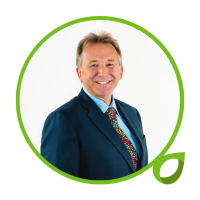
Michael Ash, DO, ND, BSc(Hons), RNT, is a retired Registered Osteopath, Naturopath, and Nutritional Therapist with over 35 years of experience. He is the founder and former Managing Director of Nutri-Link Ltd, a leading provider of professional-grade supplements and practitioner education. A pioneer in integrative medicine, he has cared for over 10,000 patients and lectured internationally on immuno-nutrition. Michael is a published researcher and editor of Clinical Education and contributor to IHCAN...