Understanding Inflammatory Bowel Disease (IBD): Causes, symptoms and support
0%
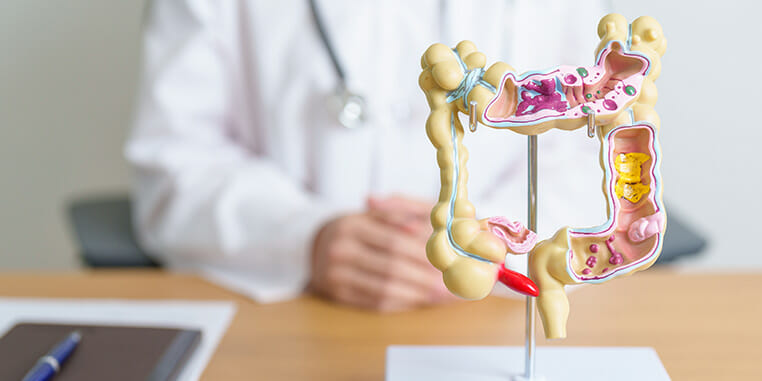
Inflammatory bowel disease (IBD) is an umbrella term for chronic, immune-mediated conditions that cause ongoing inflammation in the digestive tract. The two main forms are:
- Crohn’s disease, which can affect any part of the digestive tract from mouth to anus.
- Ulcerative colitis, which primarily affects the colon and rectum.
Unlike functional gut disorders such as IBS, IBD causes visible inflammation and tissue damage, which can be seen on imaging or during a colonoscopy. Symptoms often occur in cycles of flare-ups and remission and may include abdominal pain, persistent diarrhoea, rectal bleeding, fatigue, weight loss and nutrient deficiencies.
Over 500,000 people in the UK have a form of IBD with another 25,000 diagnosed with Crohn’s and Colitis every year.
How IBD differs from IBS and why a wholeperson approach matters
Although some symptoms overlap, IBD and IBS (irritable bowel syndrome) are fundamentally different conditions. Whilst IBD is different to IBS, some of the symptoms may be similar such as diarrhoea that lasts longer than 4 weeks, abdominal cramps, bloating, gas, mucous in the stool, and fatigue.
IBS shows no signs of disease or abnormalities in the colon whereas IBD involves chronic inflammation that can cause ulceration and damage to the gut wall that is found during diagnostic tests.
The underlying mechanisms for IBS and IBD are very different.
IBS - A functional disorder
IBS is considered a disorder of the gut-brain communication. The bowel looks structurally normal but is functions differently. Pain sensitivity, motility, and stress responses are altered, often without inflammation.
IBD – An Inflammatory Disease
IBD involves active inflammation, immune activation, and tissue injury. In some cases, it can affect the gut and other parts of the body such as joint, skin and eyes.
Testing and diagnosis for IBD
Following a referral by a GP to a gastroenterologist, diagnostic testing typically includes a combination of blood and stool tests, alongside investigative procedures such as colonoscopy, sigmoidoscopy, during which biopsies can be taken, MRI scans may also be used. These investigations help identify tissue damage, active inflammation, and specific inflammatory biomarkers, allowing for an accurate diagnosis and assessment of disease severity.

Conventional treatment approaches
Medical treatment aims to control inflammation, relieve and management symptoms, and reduce the risk of complications. This may involve the use of steroids, immunosuppressants or biologic medications, and antibiotics if infection is suspected.
Symptom management is a key part of care and may be supported by dietary changes, such as a low-residue diet during flare-ups, to help reduce bowel irritation. In severe cases, or when medical treatment is ineffective, surgery may be recommended to remove affected sections of the small or large intestine.
Malnutrition is a significant concern in IBDi, chronic inflammation, diarrhoea, reduced appetite, malabsorption, and certain medications can impair nutrient absorption and increase the risk of deficiencies and compromising nutritional status.
While conventional treatment is essential for many individuals, symptom control does not address the broader contributing factors involved in IBD.
Looking beyond symptoms
There is no single cause of IBD. Instead, it is understood to result from complex interactions between:
- Genetic susceptibility
- Immune system dysregulation
- Gut microbiome imbalance
- Environmental and lifestyle influences.
At its core, IBD is an immune-mediated inflammatory condition that fails to switch off appropriately. Various overlapping factors may contribute to triggering or worsening inflammation, including:
- Early life trauma
- Medications
- Dietary patterns
- Smoking, alcohol, or recreational drug use
- Sedentary lifestyle
- Poor circadian rhythm
- Sleep disturbances
- Hormonal imbalances
- Chronic psychological stress
Chronic stress has been associated with increased relapse rates and symptom severity. At the same time, individuals with IBD are at greater risk of anxiety and depression, highlighting the importance of the gut-brain connection.
The gut-brain connection
In recent years, growing research has highlighted the strong connection between the brain and the gut, especially in gastrointestinal conditions such as IBD and IBS, it has been referred to as the gut-brain axis.
This system describes a complex, two-way communication network between the brain and the digestive system that connects:
- The central nervous system
- The autonomic nervous system
- The enteric nervous system
- The endocrine (hormonal) system
- The immune system
This means emotional and psychological stress can directly influence gut function – something readers may very well be able to relate to - immune activity, intestinal permeability, and microbial imbalances which may be referred to as ‘dysbiosis’.
Research suggests that stress can alter gut motility, increase intestinal permeability, affect microbial composition, and exacerbate inflammation. At the same time, ongoing gut inflammation can influence mood and mental health.
In both animal studies and clinical research, stress, anxiety and depression have been linked to triggering IBD flare-ups and worsening the condition and equally IBD, as previously stated, is more likely to lead to mood disorders.
Gut microbes also play a critical role in this communication by producing metabolites such as short-chain fatty acids (SCFA’s) which influence immune regulation and neural signalling. Disruption of microbial balance (dysbiosis) may therefore contribute to both gut inflammation and mood disturbances.
Gut microbiome and dysbiosis:
The gut microbiome consists of trillions of microorganisms that help ferment dietary fibre into SCFA’s such as butyrate. Butyrate supports the epithelial repair and helps regulate inflammatory responses. In IBD dysbiosis commonly involves reduced microbial diversity, lower levels of beneficial SCFA producing bacteria and increased presence of pro-inflammatory microbes.
These changes may weaken the gut barrier and promote chronic inflammation.
Gut barrier function and intestinal permeability:
The intestinal barrier (gut barrier), acts as a selective filter, allowing nutrients and water into the bloodstream while preventing toxins, pathogens, and undigested particles from entering the bloodstream.
It consists of several interconnected layers –
- Microbiota layer – where beneficial microbes compete with harmful organisms and produce protective compounds (i.e. SCFA’s).
- Mucus layer – a gel-like coating made of mucins that separates microbes from intestinal cells. It contains antimicrobial peptides and immune molecules to protect us.
- Epithelial layer – a tightly packed, rapidly renewing layer of cells forming the structural wall.
- Tight junctions – are protein complexes (including occluding, claudins and zonula occluden proteins) that regulate what passes between cells.
- Gut-Associated lymphoid tissue (GALT) – immune cells beneath the epithelial layer that regulate immune responses and maintain tolerance.
When this barrier becomes compromised, increased intestinal permeability may allow microbial components to cross into underlying tissue. This can trigger immune activation, driving further inflammation and creating a self-perpetuating cycle.
In some individuals, particularly those with Crohn’s disease, increased intestinal permeability may precede clinical symptoms, suggesting barrier dysfunction may contribute to disease onset as well as progression.ii
Microbiome & Probiotic Support
A broader, integrative perspective:
A holistc approach seeks to support multiple contributing factors (alongside conventional care). Using a personalised approach, areas to be considered include:
- Identifying and reducing food triggers
- Optimising nutrient status to support immune function
- Supporting microbial balance
- Promoting gut barrier integrity
- Addressing stress and nervous system regulation
- Improving sleep and circadian rhythm
- Encouraging sustainable lifestyle changes
Supportive strategies may involve targeted nutrition, carefully selected supplements, stress-reductions practice, psychotherapy, mindfulness, and further therapies such as acupuncture etc.
The perfect storm:
IBD often develops and flares when multiple factors overlap such as stress, overuse of medications, disrupted sleep, microbial imbalances, dietary triggers, environmental exposures, and immune dysregulation. When combined, these influences can amplify inflammation, weaken the gut barrier, and perpetuate immune activation.
Understanding IBD through this wider lens allows for a more comprehensive and personalised approach, one that supports not only symptom management but also long-term resilience and overall wellbeing.
Gut & Digestive Support:
References
https://www.crohnsandcolitis.org.uk/get-involved/world-ibd-day
https://www.hopkinsmedicine.org/health/conditions-and-diseases/inflammatory-bowel-disease


Karen Devine, CNHC Registered Nutritionist and Naturopath, is a Colonic Hydrotherapist and Functional Medicine practitioner (AFMCP). Since 2007, she has provided technical support for Nutri-Link Ltd, advising practitioners and patients on nutritional products. Trained at The Plaskett College, Karen has run her own clinic since 1999 and continues to consult privately. She regularly attends postgraduate seminars to stay current in functional medicine. Karen has appeared on The Spa of Embarrassing Illnesses...
Related Posts
Related Products